Smile design & cosmetic dentistry, planned around your teeth.

Smile design is a planned approach to improving the look of your teeth, which may combine options such as whitening, bonding, veneers or straightening. Your dentist can explain which are suitable for your teeth and what each involves.

Consultations at both clinics:NampallyMehdipatnam

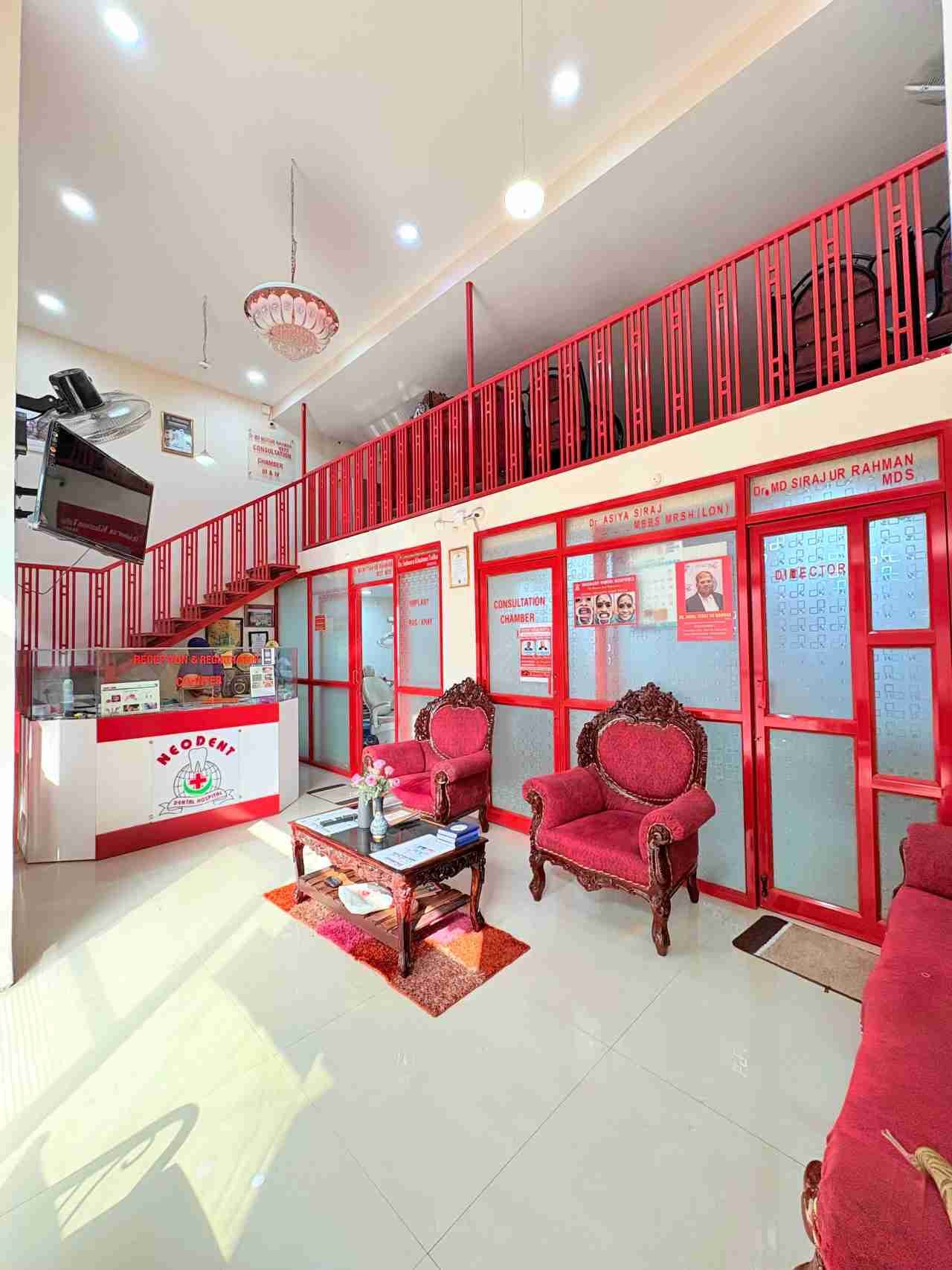
Neodent Dental Hospital Nampally — the double-height reception and consultation wing
Reception & staircaseNampally

What issmile design?

Smile design is a planning approach for people who want to change the appearance of their teeth. Depending on the concern, options may include whitening, bonding, veneers or straightening. The dentist discusses what you would like to change, examines your teeth and explains which options are suitable and what each involves.

  • A plan, not one procedure

    Smile design is a planning conversation about the shape, colour, size and alignment of your teeth. The treatment that follows is chosen to carry out that plan.

  • Often more than one treatment

    A plan may combine options such as whitening, bonding, veneers, crowns or straightening, depending on the concern. Which of these are carried out at Neodent is confirmed at your consultation.

  • Health comes first

    Wanting to change how your teeth look is a valid reason to book a conversation. Your dentist checks the health of your teeth and gums first.

Planning view of the upper front teeth with four areas marked: shape, colour, size and alignmentFront view of eight upper teeth and the gum around them, drawn as an ordinary mouth: one canine is a shade yellower than its neighbours, one lateral incisor is turned, one central incisor is slightly narrower, one lateral incisor is shorter and a small gap sits beside it. Four dashed red zones with leader lines are labelled Shape, Colour, Size and Alignment, and a thin dashed red midline and biting-edge guide line are drawn across. This shows what a dentist and patient discuss when planning, not a result. Illustration, not to scale.AlignmentSizeColourShape
Illustration, not to scale. Your own anatomy and plan will differ.

Terms you may hear

Cosmetic dentistry
Dental treatment aimed mainly at how teeth look. Smile design is the planning side of it.
Whitening
Peroxide bleach that lightens stains on natural teeth.
Bonding
Tooth-coloured resin shaped onto a tooth and hardened with a light.
Veneer
A thin covering bonded to the front of a tooth.
Crown
A cover that fits over the whole tooth.
Why peopleask about it.

These are some of the reasons people ask about smile design. They are reasons to book a conversation, not a diagnosis.

  • Front teeth with a worn edge and a chipped cornerClose view of upper front teeth. The left central incisor has worn down to a flat edge with a darker band of dentin, and the right lateral incisor has lost a small corner of its biting edge. A thin dashed red ring marks each area. Illustration, not to scale.

    Chipped or worn edges

    Chips, or edges that have worn down, are among the reasons people ask about their options.

  • Front teeth that differ in colour, beside a strip of shade samplesClose view of four upper front teeth. The right central incisor is clearly yellower and browner than the left central incisor beside it, with the lateral incisors in between in a medium shade. Below the teeth a strip of four tooth-shaped shade samples runs from lighter to darker. The variation is natural; there is no decay. Illustration, not to scale.

    Stained or uneven colour

    Some teeth are stained or differ in colour from their neighbours. Not all discolouration can be prevented; some follows injury or medicines.

  • Front teeth that differ in width, length and outlineClose view of four upper front teeth that are not matched: the left lateral incisor is narrow and short, the left central incisor is wide and long, the right central incisor is narrower and shorter than its partner, and the right lateral incisor is wide and long. Illustration, not to scale.

    Size and shape

    Teeth that look uneven in size or shape can also start the conversation.

  • A gap between two front teeth and a turned, overlapping pairClose view of four upper front teeth. On the right a small gap opens between the central and lateral incisor. On the left the lateral incisor is turned and overlaps the edge of the central incisor. Illustration, not to scale.

    Gaps and crooked teeth

    Options for gaps or crooked teeth depend on the case. Your dentist explains what may suit yours.

Illustration, not to scale. Your own anatomy and plan will differ.

A concern like these tells you what you would like to change. It does not tell you what is wrong or which treatment you need. Only an examination can.

Starting with a healthy mouth

Existing decay or gum disease is treated before cosmetic work.

Veneers in particular are not suited to teeth with untreated decay or gum disease.

What your dentist may check

  • Your teeth and gums
  • Your bite. Grinding, clenching or a deep overbite can make some options a poor choice.
  • Existing fillings and crowns, which do not change colour when teeth are whitened
  • Which photographs, scans or impressions are taken is confirmed at your consultation

Whitening, bonding, veneers and straightening,compared.

These are examples of options a dentist may discuss. Which ones suit you, and which are carried out at Neodent, is confirmed at your consultation.

Whitening: it lightens a natural tooth but not a crown or a fillingClose view of three upper front teeth. The natural tooth on the left is a little yellow, with a lighter shade sample below it and a small red arrow pointing from the tooth to the sample. The tooth beside it carries a crown and the next tooth a filling; both stay as they are. Labels read Lightens over the natural tooth and No change over the crown and the filled tooth. Illustration, not to scale.LightensNo change

Whitening

What it does

Peroxide bleach lightens stains on natural teeth.

Worth knowing

Results vary and colour can fade. Sensitivity and gum irritation are common but usually temporary. Crowns, veneers and fillings do not change colour.

Bonding: tooth-coloured resin built up on a chipped cornerClose view of upper front teeth. The corner of the right central incisor that had broken off is filled with a resin in a slightly different tint, and a thin dashed red outline follows the original edge of the tooth around it. Illustration, not to scale.

Bonding

What it does

Tooth-coloured resin is shaped onto the tooth, hardened with a light, then smoothed and polished.

Worth knowing

May need less enamel removed and is easier to repair, but is less resistant to stains and wear and may need repair or replacement sooner.

A thin porcelain veneer lifted off the front of a toothA front tooth cut front to back, set in gum and jawbone, with white enamel over cream dentin. A very thin porcelain shell shaped to the front surface is lifted slightly away from the tooth, and a small red arrow shows it going onto the tooth. Labels name the veneer and the tooth. Illustration, not to scale.VeneerTooth

Porcelain veneers

What it does

A thin, natural-looking covering bonded to the front of a tooth, made from an impression or scan.

Worth knowing

A small amount of enamel is removed first, which cannot be undone. Veneers can chip, crack, wear or loosen, and decay can still form around them.

A crown cap lifted above a tooth that has been shaped to receive itA natural tooth cut front to back, with its root in the gum and jawbone. The top of the tooth has been reduced to a smaller, tapered shape. A porcelain crown, a hollow cap that covers the whole tooth, is lifted above it, with a red arrow showing it going down over the prepared tooth. Labels name the crown and the prepared tooth. This is a natural tooth, not an implant. Illustration, not to scale.CrownPreparedtooth

Crowns

What it does

A cover that fits over the whole tooth.
Worth knowing

Needs more of the tooth to be prepared than other options.

Straightening: braces on slightly crooked teeth, with arrows for the direction they will moveClose view of the upper front teeth, a little crooked: the left lateral incisor is turned and sits forward, the right lateral incisor is turned the other way. A small metal bracket sits on each tooth with a thin wire through them. Three short red arrows below the teeth show the direction each will move. Illustration, not to scale.

What it does

Braces move teeth into a better position, and retainers help keep them there.

Worth knowing

Takes time, needs careful daily cleaning, and retainers are needed afterwards.

Illustration, not to scale. Your own anatomy and plan will differ.

Ask which option is the least invasive for what you want.

How your plan is made,then carried out.

General information. Your own plan may differ.

  1. Examination: front teeth with three marks and a dashed bite lineClose view of the upper front teeth and gum as a dentist sees them at an examination. Three small red dots mark places the dentist may point out, one on a tooth surface, one on a biting edge and one on the gum, and a dashed red line runs along the bite with a dot at each end. No people are shown. Illustration, not to scale.

    Examination and conversation

    Your dentist asks what you would like to change, then examines your teeth, gums and bite.

  2. A healthy mouth first: a small area of decay and a swollen gum edge are treated before cosmetic workClose view of the upper front teeth. One lateral incisor has a small dark spot of decay and the gum edge beside it is red and swollen. A dashed red ring encloses both and is labelled Treated first. Below the teeth a legend of three red swatches from deep to light sits between the words First and Then. Illustration, not to scale.Treated firstFirstThen

    A healthy mouth first

    Any decay or gum disease is treated before cosmetic work begins.

  3. Planning the options: dashed outlines of planned changes and a shade strip with one sample markedClose view of the upper front teeth. Thin dashed red outlines on two teeth, a little longer or wider than the teeth as they are now, show what is being planned. Below, a strip of four tooth-shaped shade samples has one outlined in red. The labels read Plan and Shade. This shows planning, not a result. Illustration, not to scale.PlanShade

    Planning the options

    Your dentist explains which options are suitable, what each involves and what cannot be undone. Whether photographs, scans, impressions or a mock-up are used is confirmed at your consultation.

  4. Treatment and adjustment: front teeth with a veneer and a crown, a bite line and a check-up mirrorClose view of the upper front teeth part-way through treatment. One tooth carries a veneer and its neighbour a crown, the rest are natural. A dashed red line runs along the bite, and a round check-up mirror with a short handle shows a magnified view of the biting edges with a short red check line across them. Illustration, not to scale.

    Treatment and adjustment

    Treatment depends on the options chosen. Your dentist checks and adjusts the result, including your bite, and explains how to look after it.

Illustration, not to scale. Your own anatomy and plan will differ.

How long does it take?

There is no standard timeline. How long smile design takes depends on the options chosen and the number of teeth involved. Your dentist can explain what to expect for your plan.

A plan built around your teeth,not a template.

Your own plan may differ from the examples on this page.

What a visit can involve

General information. Which methods are used at Neodent is confirmed at your consultation.

  • Porcelain veneers

    The enamel is lightly reduced, an impression or scan is taken, a temporary may be worn, and the veneer is checked and bonded.

  • Bonding

    The tooth is prepared, resin is sculpted, hardened with a light, smoothed and polished.

  • Whitening

    Whitening can be done in a clinic, with trays supplied by a dentist, or with over-the-counter products. Your dentist advises which route suits you.

What can be undone,and what cannot.

Some changes can be reversed or repeated. Others cannot. Your dentist can tell you which is which for each option in your plan.

A front tooth cut front to back, before and after a thin layer of enamel is removed for a veneerTwo views of the same front tooth cut lengthwise, side by side. On the left the natural tooth has a full layer of white enamel over cream dentin, with the gum at its neck. On the right a thin layer of enamel has been removed from the front surface and a porcelain veneer is drawn in dashed outline on the prepared surface. A dashed red bracket on the front surface is labelled Small amount of enamel removed. A red arrow between the two views points from the natural tooth to the prepared tooth. Illustration, not to scale.Natural toothAfter preparationEnamelVeneerSmall amount ofenamel removed
Illustration, not to scale. Your own anatomy and plan will differ.
  • More tooth preparation

    Crowns need more of the tooth to be prepared than other options.

  • Colour can change back

    Whitening results vary and can fade. Colour may darken again and need repeat whitening.

Aftercare, risksand limits.

General information

Looking after your smile

  • Brush twice a day with fluoride toothpaste

  • Clean between your teeth every day

  • Keep your regular check-ups

  • Avoid biting nails and hard objects

  • Limit drinks and foods that stain. During whitening, your dentist may advise avoiding strongly coloured foods.

Your bite may feel different at first, and your dentist should adjust it. Follow your own dentist's instructions.

Risks and limits

  • Veneers and bonding can chip, crack, wear or loosen, and decay can still form under or around them.
  • Whitening results vary, can fade, and do not change existing fillings or veneers.
  • Sensitivity and gum irritation from whitening are usually temporary. Effects on the tooth root are very rare.
  • How long results last varies. It depends on the option chosen, your bite and how you look after your teeth.
  • Cosmetic work done by unlicensed providers can cause tooth damage, nerve damage and infection. Ask who will carry out your treatment.

Call the clinic where you were treated if you notice:

  • a veneer, crown or bonded edge that chips or comes loose
  • a bite that feels high or uneven
  • sensitivity that does not settle
  • swelling or gum irritation that does not settle
  • increasing pain, or a fever

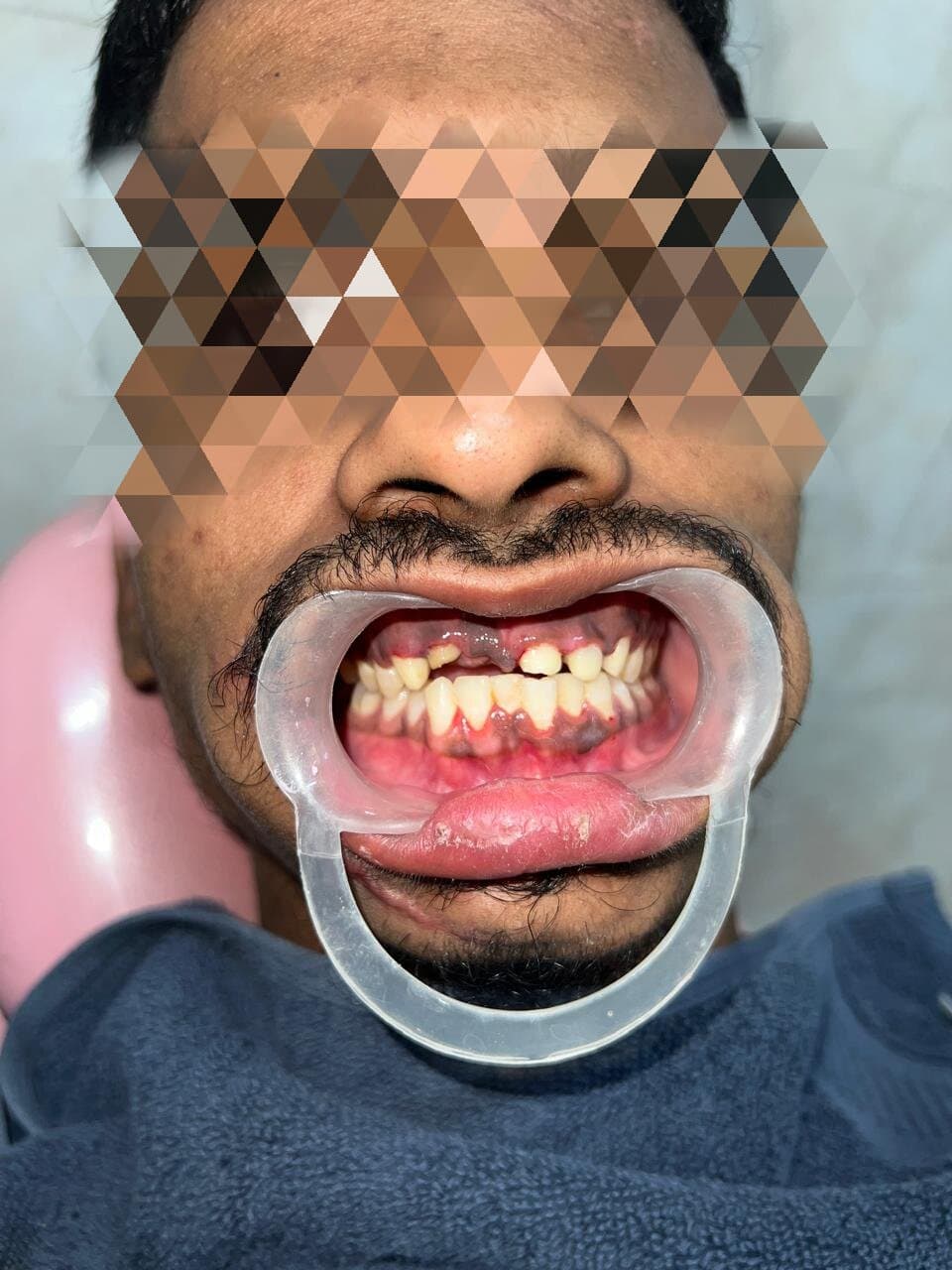
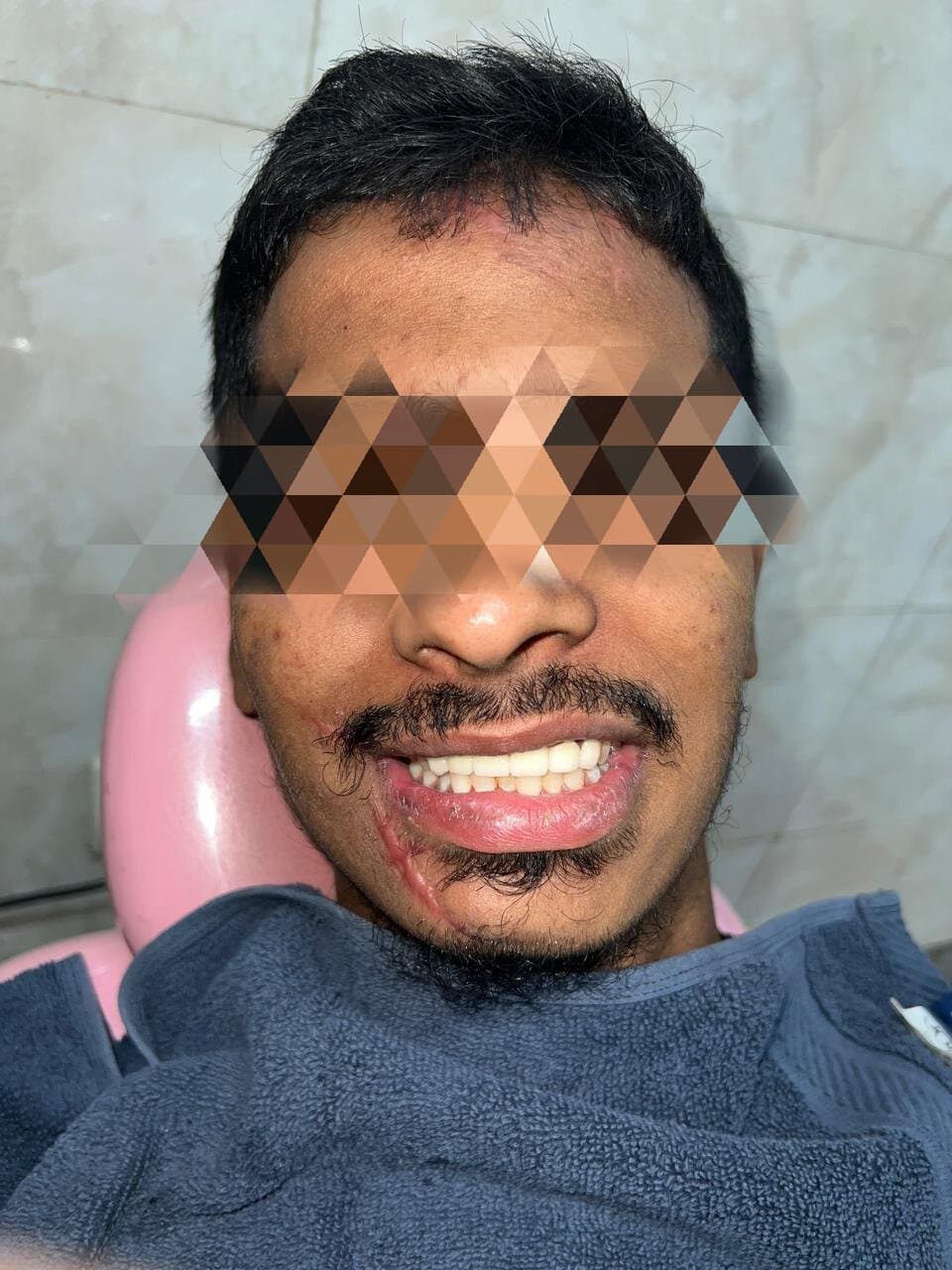
Smile design casesfrom Neodent.

Real cases from our patients, shown for understanding. Every case is different, and these images are not a prediction for your own mouth.

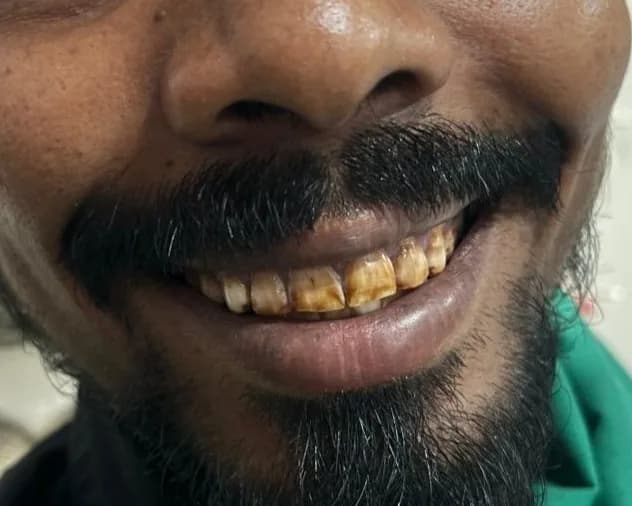
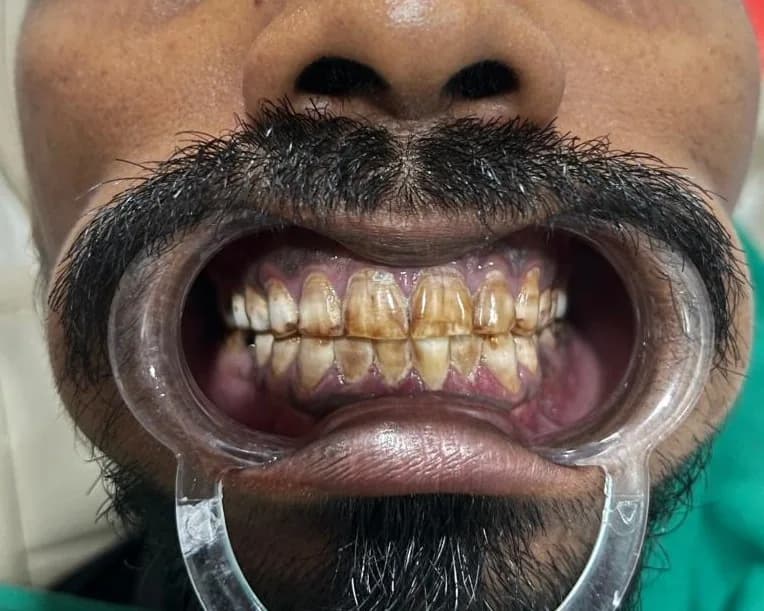
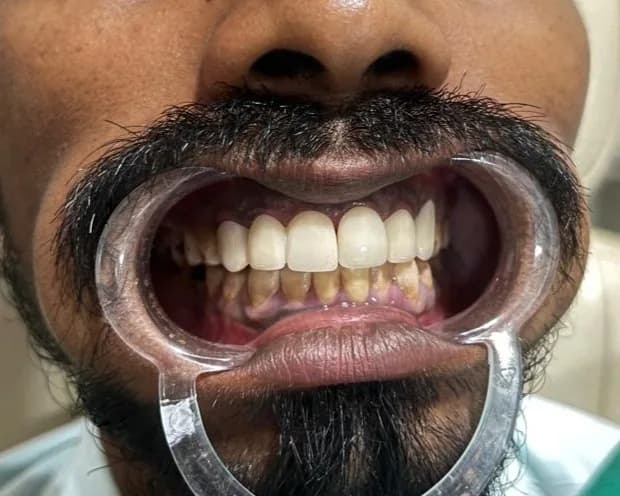
Anterior smile before zirconia crown treatment
Before Treatment
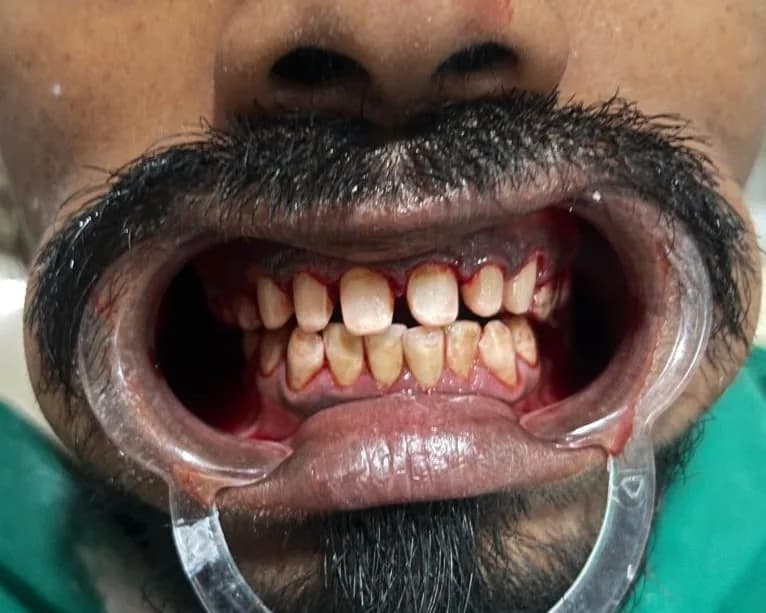
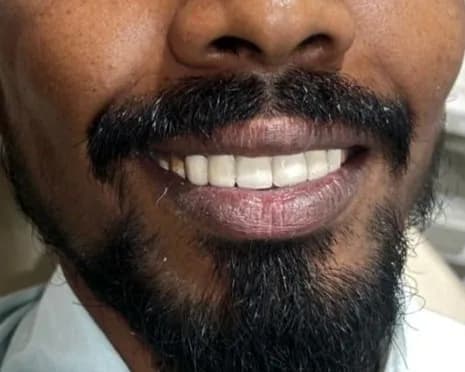
Anterior smile design with zirconia crowns after treatment
After Treatment
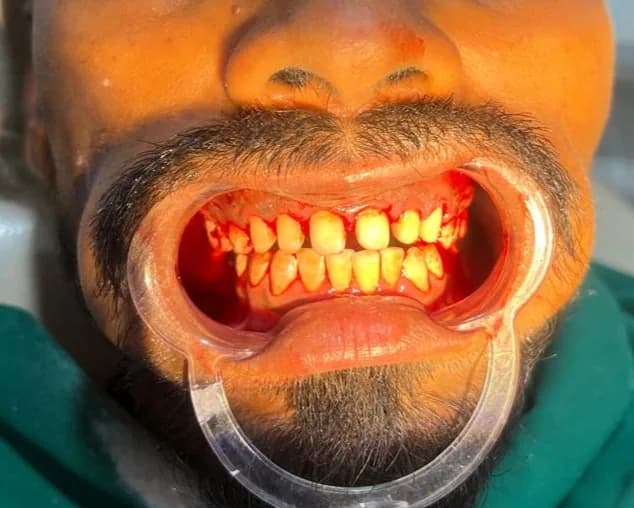
Anterior smile design with zirconia crowns — accident case restoration
  1. Clinical photograph, step 1 of 6 of one smile design case
  2. Clinical photograph, step 2 of 6 of one smile design case
  3. Clinical photograph, step 3 of 6 of one smile design case
  4. Clinical photograph, step 4 of 6 of one smile design case
  5. Clinical photograph, step 5 of 6 of one smile design case
  6. Clinical photograph, step 6 of 6 of one smile design case
It illustrates the step-by-step planning described here; it is not a promise of a particular outcome.

Questions to askyour dentist.

  • Which option is least invasive for what I want?

  • What is reversible and what is not?

  • Will any of my existing fillings or crowns need replacing to match?

  • Can I see a mock-up or plan before treatment?

  • How will you adjust my bite, and what care will it need?

  • Which of these options are carried out at this clinic, and by whom?

Smile design questions,answered.

What is smile design?

Smile designing refers to the aesthetic planning and treatment focused on improving the appearance of the smile. This may involve procedures such as veneers, crowns, orthodontics or other cosmetic dental work, depending on the patient's goals and clinical suitability.

What is the difference between smile design and cosmetic dentistry?

Cosmetic dentistry is the wider term for dental treatment that mainly changes how teeth look. Smile design is the planning side: your dentist looks at the shape, colour, size and alignment of your teeth, then chooses treatments that carry out the plan.

Which treatments can be part of a smile design plan?

Examples include whitening, bonding, veneers, crowns and straightening with braces, depending on your concern. Your dentist explains which options suit your teeth, and which are carried out at Neodent is confirmed at your consultation.

Can I have cosmetic treatment if I have decay or gum disease?

Existing decay or gum disease needs treating first, so your dentist checks the health of your teeth and gums before planning cosmetic work. Treatment for these comes before any cosmetic changes.

Will cosmetic treatment damage my teeth?

Some options remove a small amount of enamel, such as preparing a tooth for a porcelain veneer, and that cannot be undone. Others, such as bonding, may need less enamel removed. Ask which option is the least invasive for what you want.

Is whitening suitable for everyone?

Whitening lightens stains, but it does not change crowns, veneers or fillings. Results vary, and sensitivity or gum irritation are common but usually temporary. Your dentist checks whether it suits your teeth.

How long do the results last?

It varies. It depends on the option chosen, your bite, whether you grind or clench, and how you look after your teeth. Whitening can fade and may need repeating. Your dentist can explain what to expect for your plan.

How long does smile design take?

There is no standard timeline. It depends on the options chosen and the number of teeth involved. Your dentist can explain what to expect for your plan.

How much does smile design cost?

Cost depends on the options in your plan and the number of teeth involved, so it can only be explained after an examination. Please call either clinic or send an enquiry to ask.

Where can I get smile design and cosmetic dentistry in Hyderabad?

Neodent Dental Hospital offers smile design and cosmetic dentistry consultations at its Nampally and Mehdipatnam clinics in Hyderabad. Call the clinic you would like to visit.

Where tofind us.

Smile design and cosmetic dentistry consultations are available at both Neodent clinics in Hyderabad. Call the clinic you would like to visit.

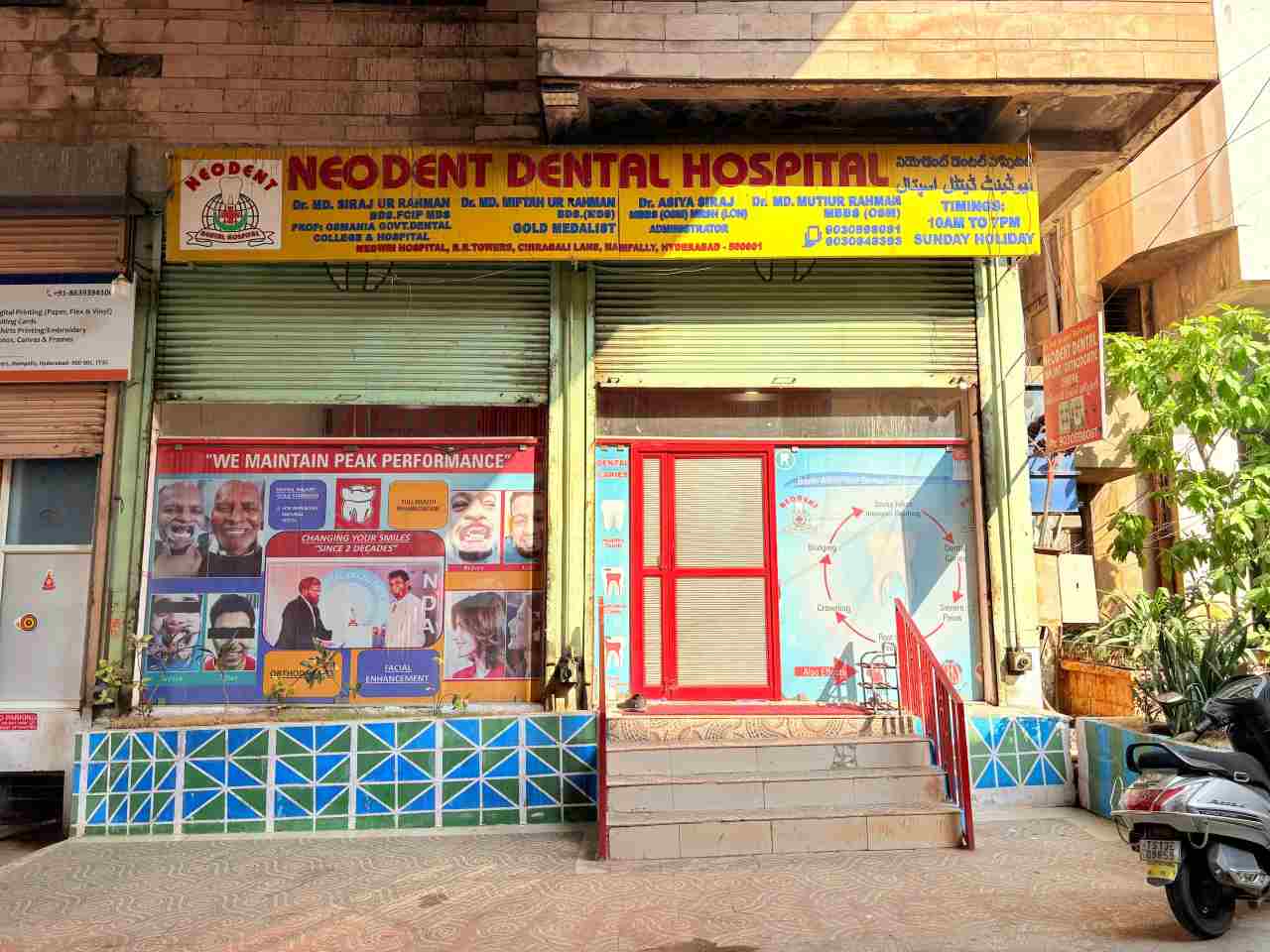
Street front of Neodent Dental Hospital, Nampally, with a yellow signboard above two shutters and a red-framed glass door

Neodent Dental Hospital

Nampally

Address
Medwin Hospital Complex, Pillar #A1270, Raghav Ratna Towers, Chirag Ali Lane, Mahesh Nagar Colony, Nampally, Hyderabad, Telangana 500001
Hours
10:30 AM – 5:00 PMSunday holiday
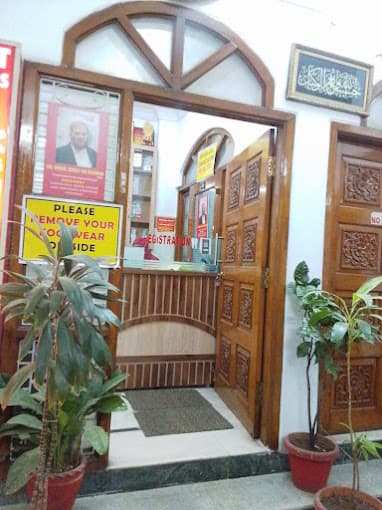
Entrance of Neodent Dental Hospital, Mehdipatnam, with a carved wooden door and potted plants

Neodent Dental Hospital

Mehdipatnam

Address
10-3-14B/11/1, near Masjid-e-Azizia, Humayun Nagar, Royal Colony, Mehdipatnam, Hyderabad, Telangana 500006
Hours
4:00 PM – 8:00 PMSunday holiday
Call Neodent
Call +91 9246348485