Composite build-up, rebuilt layer by layer.

A composite build-up rebuilds part of a damaged tooth with tooth-coloured resin. Whether it suits you depends on how much of the tooth is left and where the damage sits, which your dentist can assess at an examination.

Consultations at both clinics:NampallyMehdipatnam
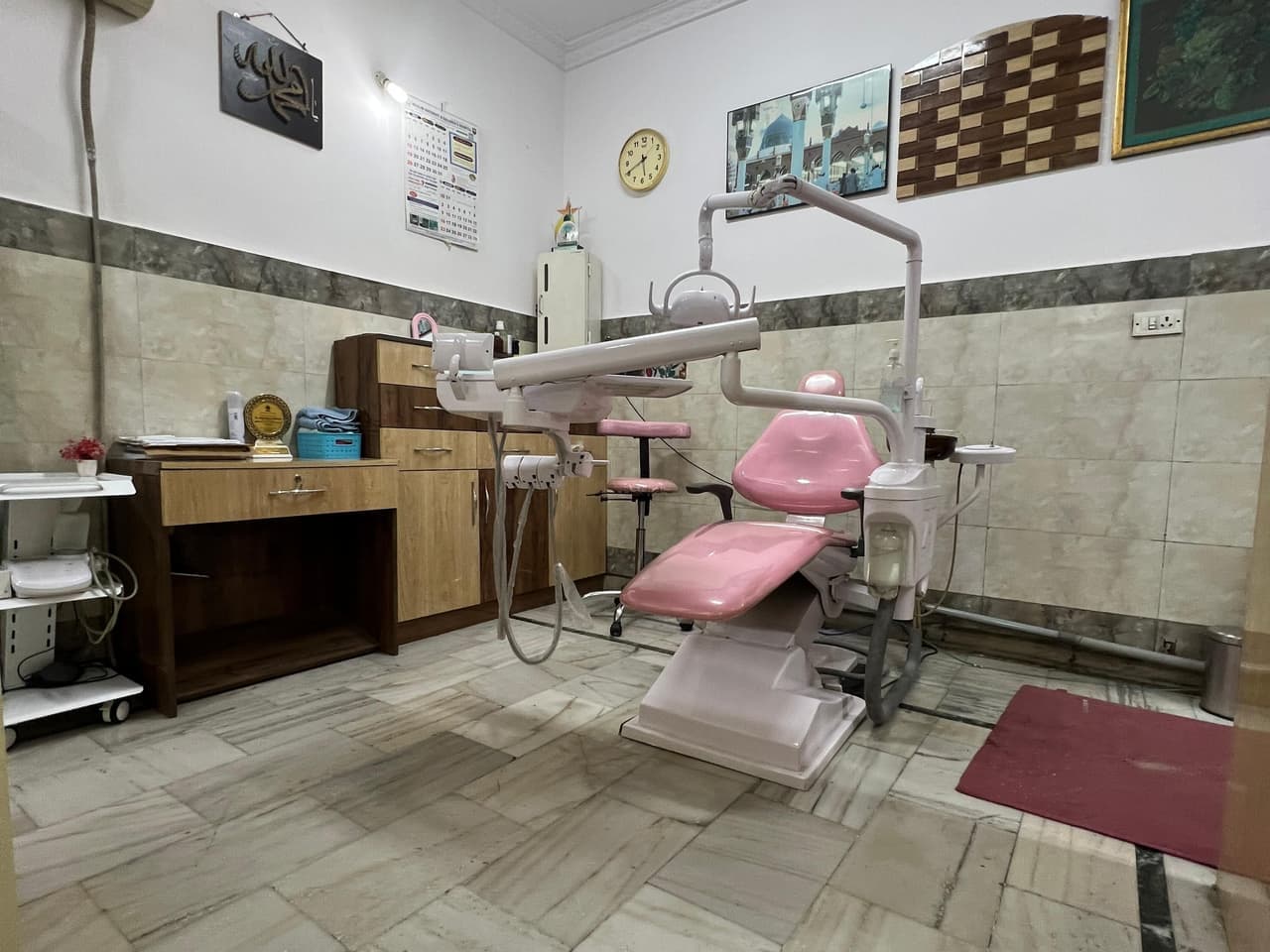
Treatment room with a pink dental chair and wooden cabinets, Neodent Dental Hospital, Mehdipatnam
Treatment roomMehdipatnam

What is acomposite build-up?

A composite build-up rebuilds part of a damaged tooth with tooth-coloured resin bonded directly to it.

What it is

The resin is hardened with a blue light, then shaped and polished to replace tooth structure that has been lost.

Who might be offered one

A dentist may discuss it for a chip, worn area or decay, after checking how much healthy tooth remains and where the damage is.

Labelled cross-section of a back tooth with a composite build-up on a damaged cornerA back tooth cut lengthwise, set in gum and jawbone. A white enamel cap covers the crown over cream dentin, with the soft pink pulp in the middle. The corner of the right-hand cusp has been rebuilt: a warm tooth-coloured resin, laid in thin layers, sits on the prepared tooth. Thin red leader lines label the enamel, dentin, pulp and the composite build-up. Illustration, not to scale.EnamelDentinPulpCompositebuild-up
Illustration, not to scale. Your own anatomy and plan will differ.

What an assessment checks

  • How much healthy tooth remains
  • Where the edges of the damage sit
  • Whether the tooth can be kept dry during treatment
  • Your dentist usually uses X-rays to help decide.

Other names you may hear

People often say tooth-coloured filling, white filling or tooth bonding. A core build-up is a related term, used when a tooth is rebuilt under a crown. Your dentist can explain how these differ for your tooth.

When might your dentistsuggest one?

These are common reasons a composite build-up may be discussed. Your dentist decides after an examination.

  • A tooth with the decay removed, leaving a clean cavityClose view of the crown of a back tooth in cross-section. The corner of the right-hand cusp is missing, leaving a clean, empty cavity with smooth walls and a flat floor, well clear of the pulp. A dashed red outline marks the area a dentist may discuss rebuilding. Illustration, not to scale.

    Decay that has been removed

    Once decay is cleaned out, a gap may be left that needs rebuilding.

  • A chipped front tooth missing its cornerClose view of a front tooth in cross-section, in the gum and jawbone. The outer corner of the biting edge has broken off, leaving a rough, sloping break through the enamel and dentin. A dashed red outline marks the missing corner, the area a dentist may discuss rebuilding. Illustration, not to scale.

    A chipped tooth

    A chip can leave an uneven edge. A dentist may discuss rebuilding the missing part.

  • A cracked toothClose view of the crown of a back tooth in cross-section. A fine crack runs down from the central groove through the enamel and into the dentin, stopping short of the pulp. A dashed red outline marks the area a dentist may discuss. Illustration, not to scale.

    A cracked tooth

    Cracks and fractures are among the reasons a composite restoration may be used. Whether a build-up is enough depends on the tooth.

  • A worn tooth with a flattened biting surfaceClose view of the crown of a back tooth in cross-section. The cusps have worn down to a flat biting surface with the cream dentin showing through the enamel. A dashed red line marks the original cusp profile, and a short dimension line shows how much height has been lost. Illustration, not to scale.

    A worn tooth

    Wear can reduce the amount of tooth left. A build-up may be one option your dentist discusses.

Illustration, not to scale. Your own anatomy and plan will differ.

Sensitivity, a rough edge or food catching in a tooth are reasons to book an assessment. They do not tell you what is wrong. Only an examination can.

Composite, amalgam andother materials

Several materials can rebuild a tooth. Each has trade-offs, and the right choice depends on your tooth.

Resin composite built up in layers in the prepared cavityClose view of the crown of a back tooth in cross-section. The prepared cavity is filled with a warm tooth-coloured resin built up in thin horizontal layers, bonded to the cavity walls by a very thin red-tinted film. Illustration, not to scale.

Resin composite

What it is
Tooth-coloured resin that bonds to the tooth.
Main trade-off
It needs a dry field and careful layering. Over time it can chip, roughen or discolour.
Amalgam filling in the prepared cavityClose view of the crown of a back tooth in cross-section. The same prepared cavity is filled with a solid, mid-dark metallic grey material with a subtle mottled texture. Illustration, not to scale.

Amalgam

What it is
A strong, wear-resistant material.
Main trade-off
It is not tooth-coloured.
Glass ionomer filling in the prepared cavityClose view of the crown of a back tooth in cross-section. The same prepared cavity is filled with a matte cream material with a fine speckle. Illustration, not to scale.

Glass ionomer

What it is
A tooth-coloured material that releases fluoride.
Main trade-off
It has lower fracture resistance, so it is not suited to areas that take heavy biting load.
A lab-made inlay or onlay lifted above the prepared cavityClose view of the crown of a back tooth in cross-section. The same prepared cavity is empty and lined with a thin cream cement layer. A white porcelain piece, made in a laboratory to fit it, floats just above it, and a short red arrow shows it being seated. Illustration, not to scale.

Inlay or onlay (lab-made)

What it is
A restoration made in a laboratory, used where extra reinforcement is needed.
Main trade-off
It needs more than one visit and removes more tooth.

Illustration, not to scale. Your own anatomy and plan will differ.

A filling, inlay, onlay or crown may be more suitable in some cases.

Which of these materials suit your tooth, and which Neodent offers for it, is confirmed at your consultation.

What happensat the visit

This is general information. Your own visit may differ, and your dentist will explain each step.

  1. The tooth kept dry with a rubber damCross-section of a back tooth in the gum and jawbone. A thin grey rubber sheet lies flat across the gum and is stretched round the neck of the tooth, leaving the crown clear and dry. Illustration, not to scale.Tooth keptdry

    Prepare the tooth

    Local anaesthetic is used if needed. A rubber dam may be placed to keep the tooth dry.

  2. Decay being removed and the cavity shapedCross-section of a back tooth. The corner of the right-hand cusp has been opened into a clean cavity outline. A darker patch of softened dentin lining the floor sits inside a dashed red outline, and a red arrow shows it being lifted out. Illustration, not to scale.Decayremoved

    Remove decay and shape

    Decay or damaged material is removed and the tooth is shaped.

  3. Bonding agent and the first thin layers of resinCross-section of a back tooth. A very thin red-tinted film lines the cavity walls, and two thin layers of resin are stacked on the floor. Three short parallel red arrows from above show each layer being hardened by light. Illustration, not to scale.Built up inthin layers

    Bond and layer

    A bonding agent is applied, then the composite is built up in thin layers. Each layer is hardened with a blue light.

  4. The finished restoration being shaped and polishedCross-section of a back tooth. The rebuilt cusp is contoured flush with the tooth and has a smooth glossy surface with a few bright highlights. A short curved red arrow over the cusp suggests polishing. Illustration, not to scale.Shaped andpolished

    Shape and polish

    The restoration is shaped and polished.

Illustration, not to scale. Your own anatomy and plan will differ.

How long does it take?

The number of visits depends on the tooth and what it needs. Your dentist will explain what to expect for yours.

A plan built aroundyour tooth.

How much of the tooth is left, where the damage sits and how you bite all shape the plan.

Looking after the tooth,and how long it lasts.

This is general information. Follow your own dentist's instructions.

How long does it last?

There is no standard lifespan. How long a build-up lasts depends on the size of the restoration, how hard you bite or grind your teeth, and how well the tooth is kept clean. Regular check-ups let your dentist monitor the edges. Outcomes vary from person to person.

A check-up looking at the edge of a restorationCross-section of a back tooth with a finished resin restoration on the right-hand cusp. A small dashed red circle marks the edge where the restoration meets the tooth, joined by a red line to a round magnifier. Inside the lens the edge is a single clean, even line with the two materials flush. Illustration, not to scale.Edge of therestoration
Illustration, not to scale. Your own anatomy and plan will differ.

After the visit

  • Numbness can last several hours. Avoid eating on the numb side, and avoid hot drinks until feeling returns.

  • Some sensitivity is normal and usually settles. Contact the clinic if it does not.

  • Brush twice a day with fluoride toothpaste and clean between your teeth daily.

  • Keep your regular check-ups so your dentist can monitor the edges of the restoration.

Risks to know about

  • A composite can chip, roughen or discolour over time.
  • Fracture or new decay at the edges can happen.
  • It may need repair or replacement.
  • Not all damage can be prevented.

Call the clinic where you were treated if you notice:

  • the bite feels high
  • an edge feels sharp
  • the filling comes out
  • sensitivity that does not settle

Composite build-up casesfrom Neodent.

Photographs from composite build-up treatment at Neodent, shown so you can see what treatment can involve.
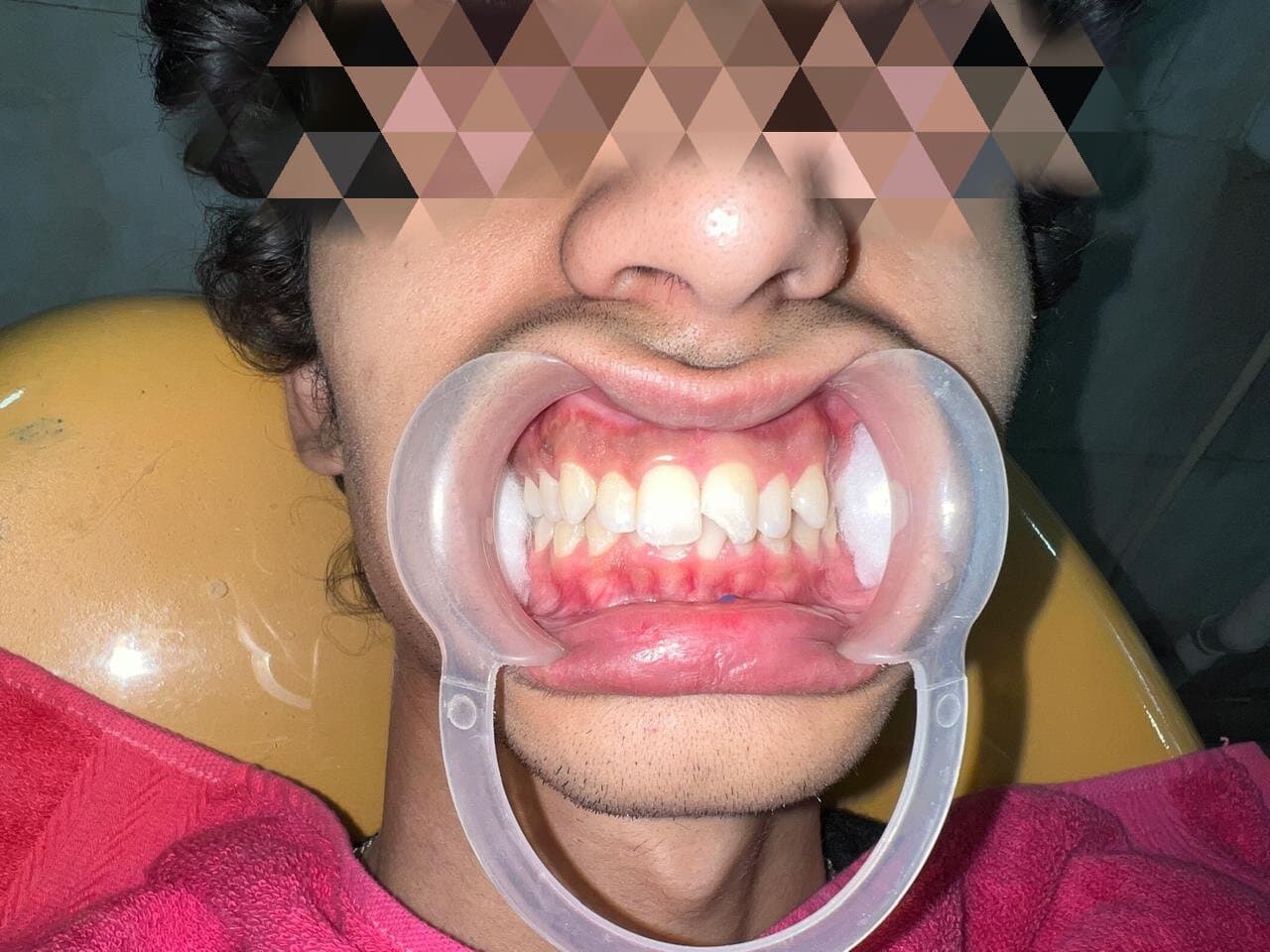
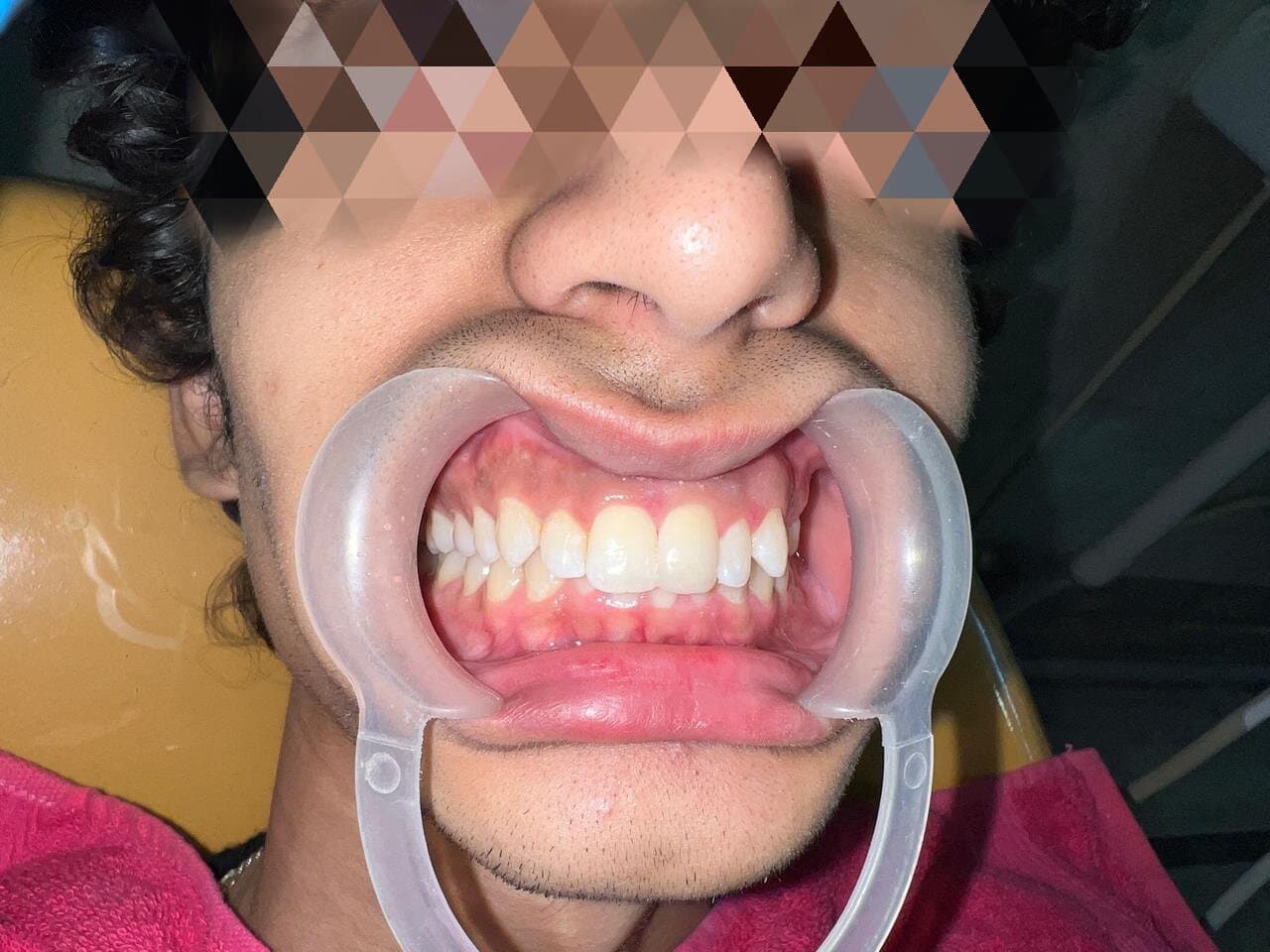
Tooth before composite build-up treatment
Before
Tooth after composite build-up treatment
After Treatment
Composite Build-up — Neodent Dental Hospital

Questions to askyour dentist

  • Is a filling, a build-up, an inlay or onlay, or a crown more suitable for my tooth, and why?

  • How will you keep the tooth dry while it is placed?

  • What happens if the tooth needs more work later?

  • How will you check it at follow-up?

Composite build-upquestions, answered.

What is a composite build-up?

A composite build-up rebuilds part of a damaged tooth with tooth-coloured resin bonded directly to it. The resin is hardened with a blue light, then shaped and polished. Your dentist can tell you after an examination whether it suits your tooth.

Is a composite build-up the same as a white filling?

The two terms overlap, because both use tooth-coloured resin bonded to the tooth. A build-up is often the term for rebuilding a larger part of a tooth than a small filling does. How Neodent describes each is confirmed at your consultation.

Can a chipped tooth be repaired with a composite build-up?

A chipped tooth is one of the reasons a dentist may discuss a build-up, after checking how much healthy tooth remains. Whether it suits your tooth depends on an examination.

What is the difference between a composite build-up, an inlay or onlay, and a crown?

A composite build-up is shaped directly on the tooth. An inlay or onlay is made in a laboratory and needs more than one visit. A crown covers the whole tooth. Your dentist can explain which may suit your tooth.

Does a composite build-up hurt?

Local anaesthetic is used if needed, so the area is numb during treatment. Some sensitivity afterwards is normal and usually settles. Contact the clinic if it does not.

How many visits does it take?

This depends on the tooth and what it needs. Your dentist will explain what to expect after an examination.

How long does a composite build-up last?

There is no standard lifespan. It depends on the size of the restoration, how hard you bite or grind, and how well the tooth is cleaned. Regular check-ups let your dentist monitor the edges.

How much does a composite build-up cost?

The cost depends on which tooth is being treated, whether anything needs treating first, and the type of restoration. Your dentist can give you an estimate for your own plan after an examination.

How do I look after a composite build-up?

Brush twice a day with fluoride toothpaste, clean between your teeth daily and keep your regular check-ups. Follow your own dentist's instructions.

Where can I get a composite build-up in Hyderabad?

Neodent Dental Hospital offers composite build-up consultations at its Nampally and Mehdipatnam clinics in Hyderabad. Call the clinic you would like to visit.

Where tofind us.

Composite build-up consultations are available at both Neodent clinics in Hyderabad. Call the clinic you would like to visit.
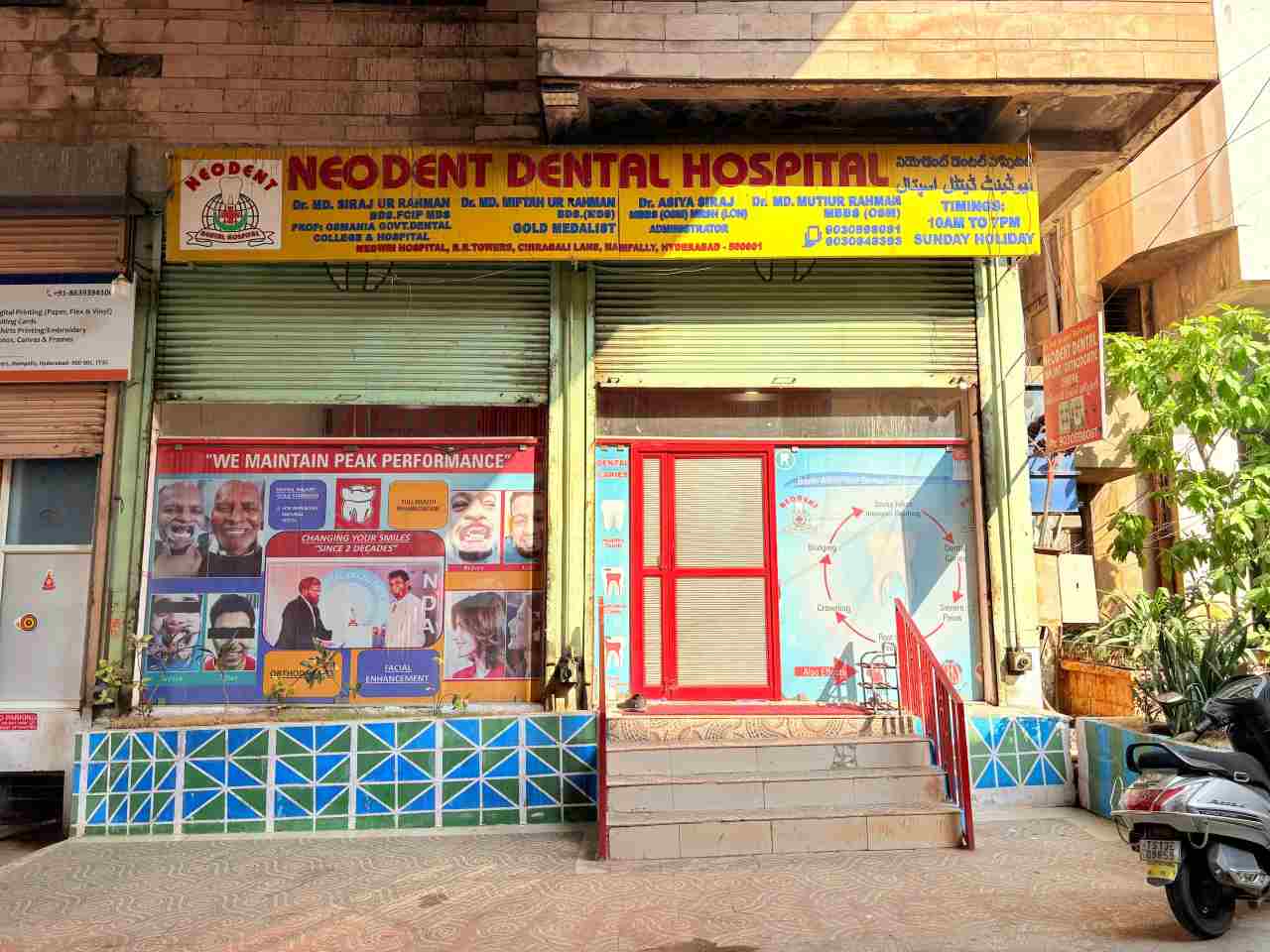
Street front of Neodent Dental Hospital, Nampally, with a yellow signboard above two shutters and a red-framed glass door

Neodent Dental Hospital

Nampally

Address
Medwin Hospital Complex, Pillar #A1270, Raghav Ratna Towers, Chirag Ali Lane, Mahesh Nagar Colony, Nampally, Hyderabad, Telangana 500001
Hours
10:30 AM – 5:00 PMSunday holiday
Entrance of Neodent Dental Hospital, Mehdipatnam, with a carved wooden door and potted plants

Neodent Dental Hospital

Mehdipatnam

Address
10-3-14B/11/1, near Masjid-e-Azizia, Humayun Nagar, Royal Colony, Mehdipatnam, Hyderabad, Telangana 500006
Hours
4:00 PM – 8:00 PMSunday holiday
Call Neodent
Call +91 9246348485