Dental implants, planned in stages.

A dental implant is a small titanium post that supports a replacement tooth or denture. It is a staged treatment that depends on healthy gums and enough bone, and it needs long-term cleaning and check-ups. Your dentist can tell you whether it suits you after an examination.

Consultations at both clinics:NampallyMehdipatnam
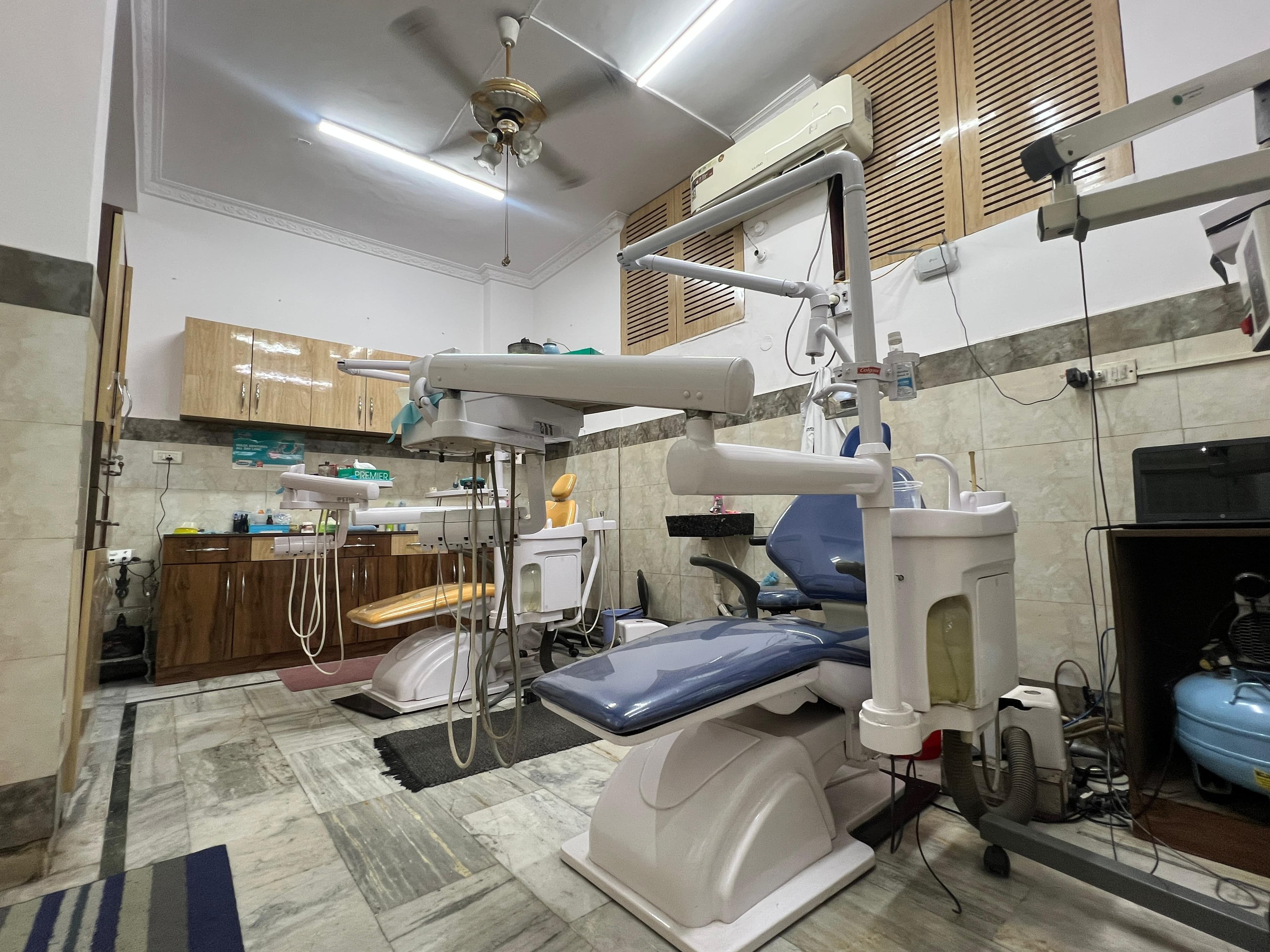
Treatment room with two dental chairs and wooden cabinets, Neodent Dental Hospital, Mehdipatnam
Treatment roomMehdipatnam

What is adental implant?

A dental implant replaces the root of a missing tooth. A small post, usually made of titanium or a similar material, is placed in the jawbone. Once the bone has healed around it, it supports a crown, bridge or denture. Because it stands on its own, the replacement does not need to lean on the teeth beside it.

Dental implants can replace

  • One missing tooth replaced by one implant and crownCut-away of the jaw. A single implant in the bone carries one crown between two natural teeth. Illustration, not to scale.
    A single missing tooth
  • Several missing teeth replaced by two implants and a three-unit bridgeCut-away of the jaw. Two implants each carry an abutment and a crown, joined by a replacement tooth between them to make a three-unit bridge. Illustration, not to scale.
    Several teeth
  • A full arch of teeth supported by implants and a curved bridgeFront cut-away of the jaw. Six implant posts in the bone carry abutments that hold a single curved arch bridge of teeth just above the gum. Illustration, not to scale.
    Support a full arch of teeth

They can also be used to make a loose denture feel firmer.

Dental implant consultations are available at both of our clinics in Nampally and Mehdipatnam, Hyderabad.

Treatment is planned around how you bite and chew, the health of your gums and the amount of bone you have. It happens in stages, because the bone needs time to bond with the post. This bonding is called osseointegration, and it is why implant treatment is measured in months rather than a single visit.

An implant is one of several ways to replace missing teeth. Bridges and dentures remain suitable for many people, and your dentist will explain the choices after an examination. If your gums need attention first, treatment for gum disease may come before an implant. When many teeth are affected, implants may form one part of a planned, phased approach known as full mouth rehabilitation.

Diagram of a dental implant showing the implant post, abutment and crownSide cross-section of the jaw. The gum sits on the jawbone between two natural teeth. In the gap, a threaded titanium implant post is anchored in the bone, an abutment rises through the gum, and a crown sits on top. Labels mark the crown, abutment, implant, gum and jawbone. Illustration, not to scale.CrownJawboneAbutmentGumImplant
The parts of a dental implant: the implant post in the jawbone, the abutment, and the crown.Illustration, not to scale. Your own anatomy and plan will differ.

The three parts

  • Implant postA threaded titanium implant post with a smooth collar.
    The implantThe post that sits in the bone like a root.
  • AbutmentA titanium abutment with a narrow neck and a flared shoulder.
    The abutmentA connector between the post and the visible tooth.
  • CrownA porcelain crown, the visible part of the tooth.
    The restorationA crown, or a bridge or denture when several teeth are missing.

Who might be offered a dental implant?

  • A tooth is missing or cannot be saved.
  • A bridge would mean reducing healthy teeth either side.
  • A denture feels loose or uncomfortable.

Bridges and dentures remain suitable choices for many people.

What happens at the first visit?

  • Your teeth and gums.
  • The amount and quality of your jawbone, with X-rays and, in some cases, 3D imaging.
  • Your medical history, including diabetes, smoking and grinding of teeth.
  • Whether you are ready to commit to cleaning and check-ups over the long term.

The stages of dental implanttreatment.

These are the usual stages. Your own plan may differ.

  1. Diagram of assessment and planning: bone height and width measured at the gap, with an X-ray style insetCross-section of the jaw with a gap between two teeth. Two red dimension lines mark the width and the height of the bone at the gap. A dark X-ray style panel beside it shows the same teeth and bone as pale line work.

    Assessment and planning

    An examination, X-rays, sometimes 3D imaging, and moulds or digital scans to plan the treatment.

  2. Diagram of preparation: bone-graft granules and a membrane placed over a low ridge in the gapCross-section of the jaw with a gap between two teeth where the bone ridge is low. The gum is opened gently to each side. Pale bone-graft granules fill the low ridge and a thin grey membrane lies over them.

    Preparation, if needed

    Treating gum disease, a bone graft where there is not enough bone, and advice on stopping smoking.

  3. Diagram of placing the implant: a threaded post being lowered into the prepared jawboneThe gum is opened gently above a prepared site in the jawbone between two teeth. A titanium implant post hovers above it with a dashed guide line and a red arrow pointing down.

    Placing the implant

    The post is placed in the jawbone as a minor surgical procedure, with local anaesthetic.

  4. Diagram of healing: bone bonding around the implant post under closed gum, with a magnified viewThe implant is seated in the jawbone with the gum closed over a small cover screw. Short red arrows point from the bone towards the post. A round magnifier shows new bone filling the grooves between the threads.

    Healing

    The bone bonds to the implant. This is called osseointegration and takes months. In some plans a second small procedure uncovers the implant afterwards.

  5. Diagram of the visible tooth: a crown on an abutment on the implant post, level with its neighboursThe crown sits on an abutment on the implant post, in line with the two neighbouring teeth. A dashed guide shows the crown tops level and a thin red line runs along the gum margin.

    The visible tooth

    Impressions or scans are taken, and the crown, bridge or denture is made and attached. Regular check-ups then continue.

How long does it take?

There is no standard timeline. How long treatment takes depends on the bone available, whether anything needs treating first, and how you heal. A bone graft, if needed, adds more time. Your dentist will give you a plan for your own case at your consultation.

A process measured in months,not a single visit.

Your own plan may differ.

Dental implants, bridgesand dentures.

An implant is one of several ways to replace missing teeth. The right choice depends on your mouth, your health and what you want from the result.

Diagram of a dental bridge joining two crowned teeth across a gapA row of teeth in the gum. The two teeth beside the gap carry crowns, shown cut away so the shaped natural teeth inside are visible. A replacement tooth between them rests on the gum and joins the crowns into one bridge. Illustration, not to scale.
A dental bridge spanning a gapIllustration, not to scale. Your own anatomy and plan will differ.

Bridge

What it involves

A replacement tooth held in place by crowns on the teeth either side of the gap.

Worth knowing

No surgery in the jaw. The teeth either side may need to be reduced to carry it.

Diagram of a removable denture, a gum-coloured plate carrying replacement teethA pink acrylic base carrying a row of replacement teeth rests on the gum ridge. A thin gap line shows the base sits on the gum and can be lifted out. Illustration, not to scale.
A removable dentureIllustration, not to scale. Your own anatomy and plan will differ.

Denture

What it involves

Removable replacement teeth.

Worth knowing

A loose denture can sometimes be made firmer with implants. Dentures wear and may need replacing.

What may need attention first

Needing treatment first does not rule an implant out. It often means a plan in stages.

  • Gum health

    Gum disease or decay that has not been treated.

  • Bone

    Not enough bone height or width. A bone graft may help.

  • Smoking

    Stopping is strongly advised, and your dentist will advise on timing.

  • Health conditions

    Health conditions such as diabetes, which can affect healing.

  • Grinding

    Grinding or clenching of teeth, which affects how treatment is planned.

  • Medicines and radiotherapy

    Some medicines, or past radiotherapy to the jaw. Your dentist will ask.

Dental implant healing, aftercareand risks.

How bone bonds to a dental implant during healingClose cross-section of a threaded implant post in the jawbone with the gum healed over a healing abutment. A red line marks where bone meets the threads, red arrows point from the surrounding bone towards the post, and a round magnifier shows the bone filling the grooves between the threads. Illustration, not to scale.Gum heals around itBone bonds to the implant
How bone bonds to a dental implant during healingIllustration, not to scale. Your own anatomy and plan will differ.

After surgery

  • Some discomfort and swelling for several days is usual. Your dentist will advise on pain relief.
  • A review soon after surgery checks how healing is going.
  • Choose soft foods while the area heals.
  • Avoid smoking. It can affect healing.
  • Clean the area as you have been shown.

Follow your own dentist's instructions.

Risks to know about

  • An implant may not bond with the bone and may need to be removed.
  • Infection can occur, particularly if aftercare instructions are not followed.
  • Nerve injury is rare, but it is a recognised risk.
  • Gum inflammation, or loss of bone, around an implant can develop over time. This is called peri-implant disease.
  • Crowns, bridges and dentures wear and may need replacing.

Outcomes vary from person to person. Your dentist can explain what to expect in your case.

Call the clinic where you were treated if you notice:

  • increasing swelling
  • fever
  • bleeding that will not stop
  • a loose implant or crown
  • numbness that does not settle

Dental implant casesfrom Neodent.

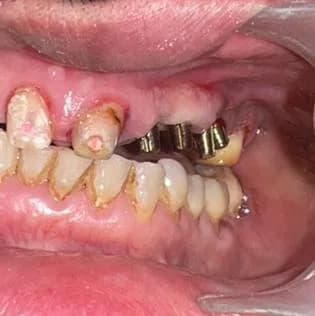
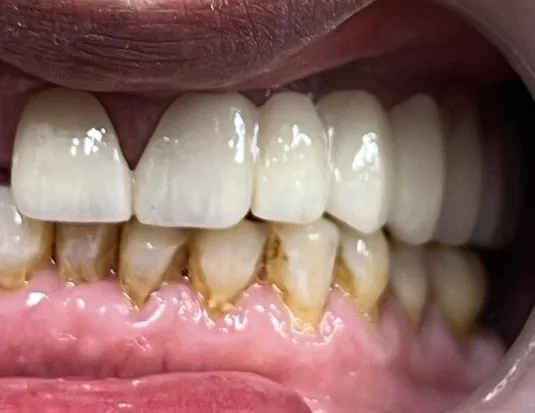
Photographs from implant treatment at Neodent, shown so you can see what treatment can involve. Every case is different, and these images are not a prediction for your own mouth.
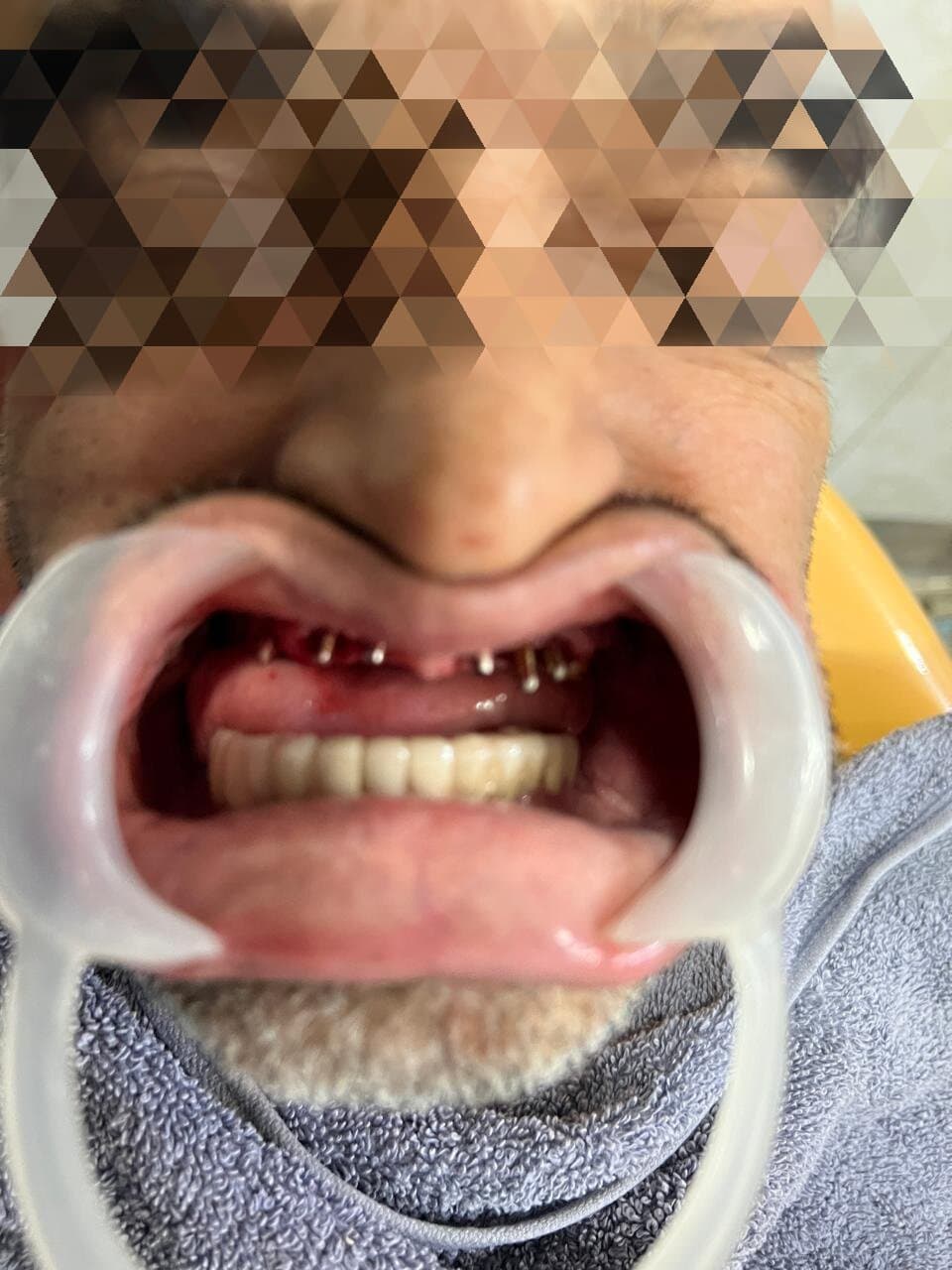
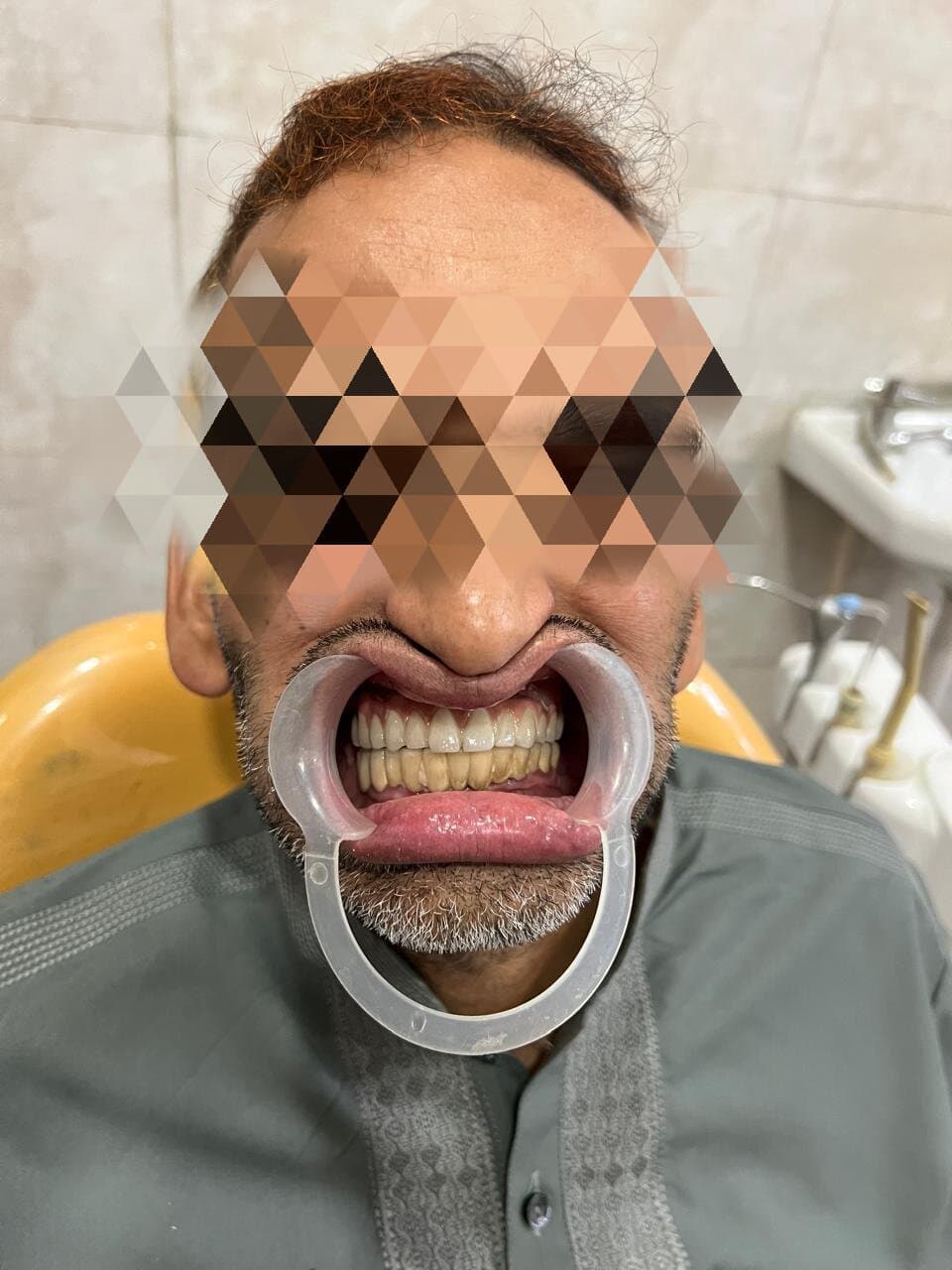
Upper arch before implant surgery, Nampally case
Before surgery
Upper arch rehabilitation with implants after surgery at Neodent Dental Hospital
After surgery
NampallyUpper arch rehabilitation with dental implants
Close-up of teeth before implant treatment, Dr. Md. Miftah Ur Rahman's caseBefore treatment
Close-up of teeth after implant treatment, Dr. Md. Miftah Ur Rahman's caseAfter treatment
Dr. Md. Miftah Ur RahmanBefore and after treatment
MehdipatnamFull-mouth rehabilitation using dental implants

Supplied before and after clinical photographs from implant treatment at Neodent. Photographs are shown for patient understanding; implant treatment and its outcome vary from patient to patient.

Images are published in line with our privacy policy.

How to look aftera dental implant.

An implant itself cannot decay, but the gum and bone around it still need daily care.

  • Clean around the implant every day, as your dentist shows you.
  • Keep your check-ups. Your dentist sets how often, based on your own gum health and risk.
  • Treat gum disease early, ideally before the implant is placed.
  • If you smoke, stopping is strongly advised.
  • If you grind your teeth, ask whether protection for your teeth is advised.

Dental implant questions,answered.

How long does dental implant treatment take?

Implant treatment is a process measured in months, not a single visit. The time depends on the bone available, whether anything needs treating first, such as gum disease or a bone graft, and how you heal. Your dentist will give you a plan for your own case at your consultation.

Is dental implant surgery painful?

The implant is placed under local anaesthetic. Some discomfort and swelling for several days afterwards is usual, and your dentist will advise on pain relief. Contact the clinic if pain or swelling increases.

Who can have a dental implant?

Whether an implant suits you can only be decided after an examination. Your dentist checks your gums, your jawbone, your general health and whether you can keep up with cleaning and check-ups. Untreated gum disease, too little bone, smoking and conditions such as diabetes may need attention first.

What is the difference between a dental implant and a bridge?

A bridge is a replacement tooth held in place by crowns on the teeth either side of the gap, so those teeth may need to be reduced. An implant is a post placed in the jawbone that supports its own crown, so the teeth beside it are not used for support. An implant involves minor surgery and months of healing, while a bridge involves no surgery in the jaw. Your dentist can explain which suits you.

Can dental implants help with a loose denture?

A loose denture can sometimes be made firmer by attaching it to implants. Your dentist can tell you whether this is an option for you.

What if I do not have enough bone for an implant?

Your dentist checks the amount of bone with X-rays and, in some cases, 3D imaging. Where there is not enough bone, a bone graft may be advised first. This adds time to the plan, but it does not rule an implant out.

How do I look after a dental implant?

Clean around it every day as your dentist shows you, and keep your regular check-ups. An implant itself cannot decay, but the gums and bone around it still need care. If you smoke, stopping is strongly advised.

How long do dental implants last?

No one can promise a set number of years. How long an implant lasts depends on the health of your gums, how well it is cleaned, your check-ups, and factors such as smoking and grinding of teeth. The crown, bridge or denture on top wears over time and may need replacing. Your dentist can tell you what to expect in your case.

How much do dental implants cost?

The cost depends on how many teeth are being replaced, whether anything needs treating first, and the type of restoration. Your dentist can give you an estimate for your own plan after an examination.

Where can I get dental implant treatment in Hyderabad?

Neodent Dental Hospital offers dental implant consultations at its Nampally and Mehdipatnam clinics in Hyderabad. Call the clinic you would like to visit.

Where tofind us.

Dental implant consultations are available at both Neodent clinics in Hyderabad. Call the clinic you would like to visit.
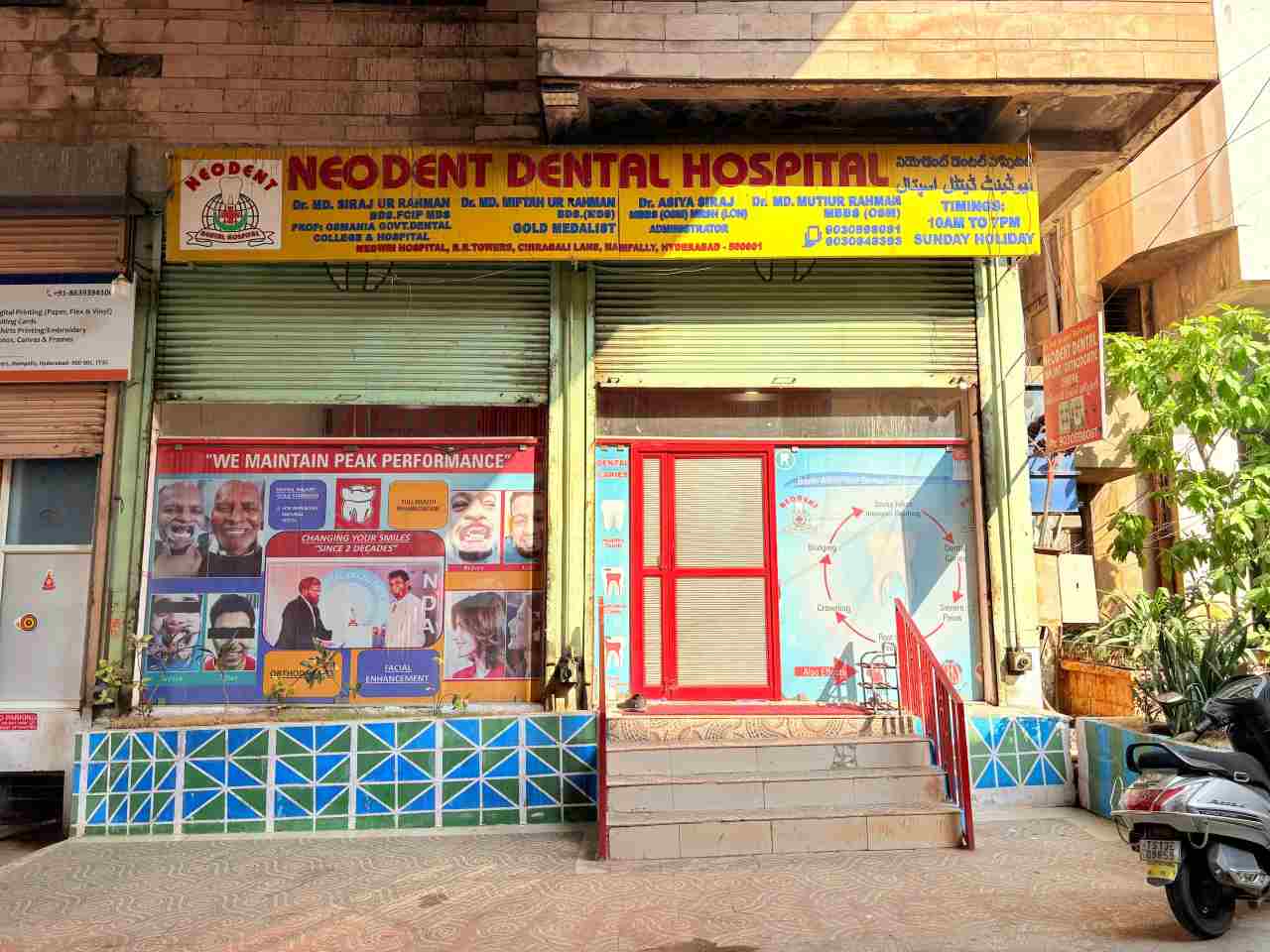
Street front of Neodent Dental Hospital, Nampally, with a yellow signboard above two shutters and a red-framed glass door

Neodent Dental Hospital

Nampally

Address
Medwin Hospital Complex, Pillar #A1270, Raghav Ratna Towers, Chirag Ali Lane, Mahesh Nagar Colony, Nampally, Hyderabad, Telangana 500001
Hours
10:30 AM – 5:00 PMSunday holiday
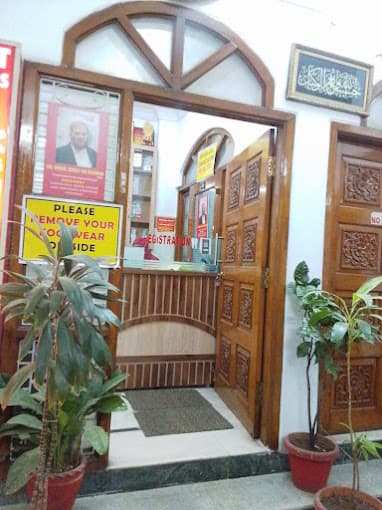
Entrance of Neodent Dental Hospital, Mehdipatnam, with a carved wooden door and potted plants

Neodent Dental Hospital

Mehdipatnam

Address
10-3-14B/11/1, near Masjid-e-Azizia, Humayun Nagar, Royal Colony, Mehdipatnam, Hyderabad, Telangana 500006
Hours
4:00 PM – 8:00 PMSunday holiday
Call Neodent
Call +91 9246348485