Scaling and polishing, a routine clean explained.

Scaling and polishing removes plaque, tartar and stains from your teeth. How often you need it and whether you need a deeper gum treatment depends on the health of your gums, which your dentist can check.

Consultations at both clinics:NampallyMehdipatnam

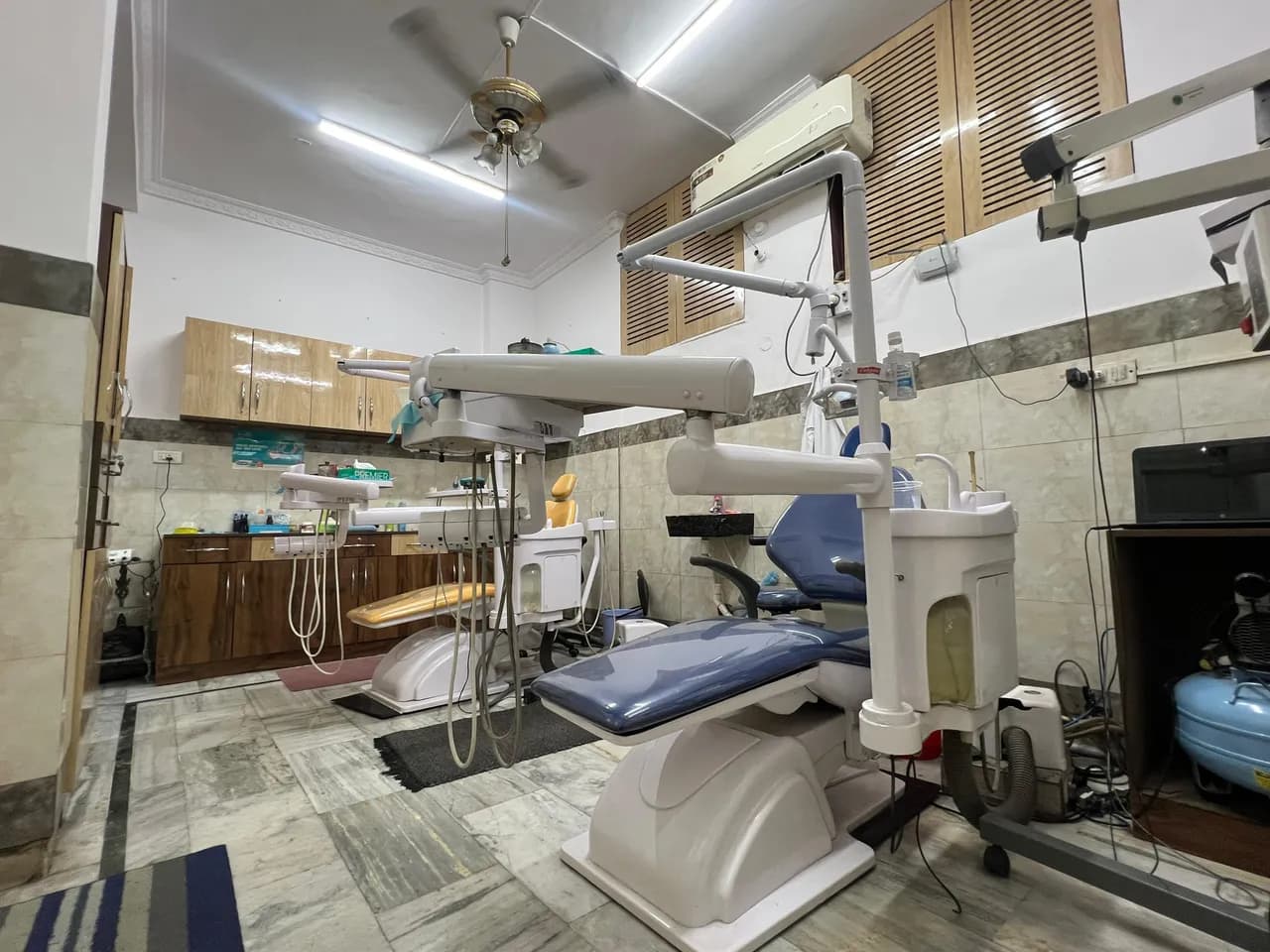
Treatment room with two dental chairs, Neodent Dental Hospital, Mehdipatnam
Treatment roomMehdipatnam

What isscaling and polishing?

Scaling and polishing is a routine professional clean that removes plaque and hardened tartar from the teeth, then polishes their surfaces. It is different from deeper cleaning below the gumline, which may be considered for gum disease. A dentist or hygienist can check your gums and advise whether a routine clean is enough and how often you need one.

A tooth cut front to back at the gumline, with plaque, tartar and a faint stainSide view of a front tooth cut lengthwise, set in gum and jawbone. A thin, soft, speckled grey film of plaque covers the crown on both sides, with a few faint stains on the enamel. At the gum edge a darker, rough, angular crust of tartar sits against the tooth, and a small groove runs between the gum and the tooth. Three labels name the plaque, the tartar and the gum. Illustration, not to scale.PlaqueTartarGum
Illustration, not to scale. Your own anatomy and plan will differ.
  • Scaling

    Removes plaque, tartar and stain from the tooth surfaces.

  • Polishing

    Polishes the tooth surfaces after scaling. Surface stains from tea, coffee or tobacco are part of what a clean can address.

  • Advice

    Advice on cleaning at home and a suitable recall interval.

Terms you may hear

Plaque
The soft film that builds up on teeth.
Tartar (calculus)
Plaque that has hardened on the teeth.
Gingivitis
Inflammation of the gums. Professional cleaning is the standard treatment for gingivitis.
Periodontitis
A more advanced gum disease. Treatment depends on the type and how far it has progressed.
Scaling and root planing
A deeper cleaning below the gumline to treat gum disease.
When mighta clean be discussed?

Visible tartar, bleeding gums, stained teeth or bad breath can lead to a check. These signs alone do not confirm the cause. Only an examination can.

Visible tartar or stains

Hard deposits or stains you can see on your teeth.

  • Bleeding or tender gums

    Red, swollen, tender or easily bleeding gums are listed as warning signs of gum disease.

  • Bad breath or taste

    Persistent bad breath or a persistent bad taste is another warning sign of gum disease.

  • Receding gums or loose teeth

    Receding gums and loose teeth are also listed as warning signs of gum disease.

Healthy gums beside inflamed gums, shown on the front teethTwo views of the front teeth and gums, side by side with a dashed line between them. On the left the gum edge is pale pink, thin and scalloped around each tooth. On the right the gum edge around the same teeth is darker red and puffier. The left is labelled Healthy gums and the right Inflamed gums. It shows two examples, not a diagnosis. Illustration, not to scale.Healthy gumsInflamed gums
Illustration, not to scale. Your own anatomy and plan will differ.

Gum disease can occur with no warning signs. Signs alone do not confirm the cause, and only an examination can.

Scale and polish,or deeper gum cleaning?

These are different treatments for different gum conditions. Your dentist decides which one suits you after checking your gums.

A routine clean: the tooth surface above the gumline, cleanedSide view of the same front tooth cut lengthwise, with a healthy gum and a shallow groove at the gum edge. The surface of the tooth is clean: no film or crust is left. A red dimension line with arrow heads runs alongside the crown from the biting edge down to the gumline, labelled Above the gumline, and a red check mark sits on the enamel. Illustration, not to scale.Above thegumline

Routine scale and polish

Purpose

Removes plaque, tartar and stain from tooth surfaces.

Who it is for

Gingivitis or healthy gums.

Visits and comfort

Usually a short visit.

Aftercare

Little needed.

A deeper cleaning: deposits reach below the gumline, into the space between tooth and gumSide view of the same front tooth cut lengthwise. The gum is slightly swollen and a deeper space opens between the tooth and the gum. Plaque and a rough dark crust of tartar sit on the tooth and continue below the gum edge into that space. A thin steel probe rests in the space, and a red dimension line with arrow heads runs along its depth, labelled Below the gumline. No measurements are shown. Illustration, not to scale.Below thegumline

Scaling and root planing

Purpose

Deeper cleaning below the gumline to treat gum disease.
Who it is for

Gum pockets too deep for a routine cleaning.

Visits and comfort

May take more than one visit and may need local anaesthetic.

Aftercare

Soreness for a day or two, sensitivity up to about a week.

Illustration, not to scale. Your own anatomy and plan will differ.

Professional cleaning is the standard treatment for gingivitis, while treatment for periodontitis depends on the type and how far it has progressed.

What happensat the appointment.

General information, not a promise of what your own visit will include.

  1. A gum check: the front teeth with a magnified ring on one gum edge and a small dental mirrorFront view of the upper and lower teeth and gums. A round lens, drawn with a short handle, sits over the gum edge of one upper tooth and shows it larger, with a thin dashed red line along the gum edge. A small round dental mirror on a slim handle rests by the lower back teeth. No probe is shown. Illustration, not to scale.

    Your gums are checked

    The dentist or hygienist checks your gums and decides whether a routine clean is enough. What the check includes, such as probing or X-rays, is confirmed at your consultation.

  2. Scaling: a hand-held instrument tip at the gum edge, with small flecks lifting awaySide view of the front tooth cut lengthwise. A plain steel hand instrument with a short red tip rests against a crust of tartar at the gum edge, and a few small dark flecks lift away from the tooth. Some tartar and a thin film remain on the other side. No motor, cable or water is shown, because the instrument is chosen by the dentist. Illustration, not to scale.

    Plaque and tartar are removed

    Plaque and hardened tartar are removed from the teeth. Which instruments are used is for your dentist to explain.

  3. Polishing: a smooth tooth with sheen marks and a soft rounded applicatorSide view of the front tooth cut lengthwise, clean and smooth. A soft rounded applicator on a slim handle rests lightly on the front of the tooth, and three short curved sheen marks beside the upper corner show the surface shining. No motor or brand shape is shown. Illustration, not to scale.

    Your teeth are polished

    The tooth surfaces are polished.

  4. Advice for home: a toothbrush at the gum line and an interdental brush between two teethFront view of the upper front teeth and gum. A toothbrush rests with its bristles at the gum line of one tooth, and a slim interdental brush with a short bristled tip points into the gap between two others. No calendar, clock or numbers are shown. Illustration, not to scale.

    You get advice for home

    Advice on brushing, cleaning between teeth and diet.

Illustration, not to scale. Your own anatomy and plan will differ.

How long does it take?

There is no standard length for a clean. It depends on what your dentist finds and what your mouth needs. A routine clean is usually a short visit.

Your clean dependson your gums.

What your visit includes depends on how healthy your gums are. Your own plan may differ.

How often doyou need one?

There is no single interval that suits everyone. How often you come back depends on the health of your gums and your risk of gum disease, and your dentist advises it.

Your dentist decides

After checking your gums, your dentist can advise how often you should come back, and why.

What research says

Studies in adults with healthy gums found that a clean on a fixed six-monthly or yearly schedule made little or no difference to gum health compared with cleaning only when a dentist judged it necessary. Scheduled cleaning slightly reduced tartar, and people felt their teeth were cleaner. This does not apply to people with gum disease.

What can change the answer

  • Gum health
  • Smoking or tobacco
  • Diabetes
  • How well your teeth are cleaned at home
  • Some medicines

After your clean,risks and when to call.

General information

Aftercare

After a routine clean
Little aftercare is usually needed.
After deeper cleaning
Expect soreness for a day or two and sensitivity for up to a week. Your gums may be swollen, tender or bleed.
Home care after a visit
Brush at least twice a day with fluoride toothpaste, spit out rather than rinse, and clean your tongue.

General information only. Follow your own dentist's instructions.

Risks

Sensitivity and bleeding are the usual effects after deeper cleaning.

Like any dental treatment, cleaning is not completely free of effects. Ask your dentist about sensitivity before you start.

Call the clinic where you were treated if you notice:

  • severe or increasing pain
  • swelling
  • fever
  • bleeding that does not settle

Looking afteryour gums at home.

A clean does not last on its own. Results depend on daily care and regular check-ups.

Not every case of gum disease is preventable.

  • Brush twice a day with fluoride toothpaste.
  • Clean between your teeth every day.
  • Choose a balanced diet.
  • Avoid tobacco.
  • Keep regular check-ups.

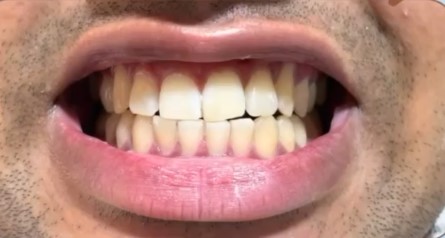
Scaling and polishing casesfrom Neodent.

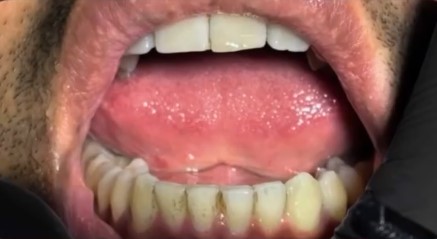
Photographs from treatment at Neodent, shown so you can see what treatment can involve. Every case is different, and these images are not a prediction for your own mouth.

Teeth before scaling and polishing at Neodent Dental Hospital
Before Treatment
Scaling and polishing result at Neodent Dental Hospital
After Treatment
Scaling & Polishing — Neodent Dental Hospital, Mehdipatnam

Questions to askyour dentist.

  • Are my gums healthy, or do I need deeper treatment?

  • How often should I come back, and why?

  • What should I change in my brushing and cleaning between teeth?

  • Will it be uncomfortable, and what can be done about sensitivity?

Scaling and polishingquestions, answered.

What is scaling and polishing?

Scaling and polishing is a routine professional clean. It removes plaque and hardened tartar from the teeth, then polishes their surfaces. A dentist or hygienist can check your gums and advise whether a routine clean is enough.

What is the difference between scaling and polishing and a deep clean?

A routine scale and polish cleans the tooth surfaces and suits healthy gums or gingivitis. Scaling and root planing is a deeper cleaning below the gumline for gum disease, where the gum pockets are too deep for a routine clean. Your dentist decides which one you need after checking your gums.

Do I need a clean every six months?

Not necessarily. How often you need a teeth cleaning depends on the health of your gums and your risk of gum disease, and your dentist advises the interval. Ask at your check-up how often you should come back, and why.

Will scaling and polishing hurt?

How a clean feels differs from person to person, and some people have sensitive teeth or tender gums. Tell your dentist if you are worried, and ask what can be done about sensitivity.

Why do my gums bleed?

Red, swollen, tender or easily bleeding gums are listed among the warning signs of gum disease, but bleeding alone does not tell you the cause. Only an examination can. If your gums bleed, it is worth booking a check.

Does scaling and polishing whiten teeth?

A professional teeth clean removes surface stains, such as those from tea, coffee or tobacco, and polishes the teeth. It is not the same as whitening, which is a separate cosmetic option. Ask your dentist what suits your teeth, and see our smile design page for the options that are discussed.

How long does a clean take?

There is no standard length for a clean. It depends on what your dentist finds and what your mouth needs. A routine clean is usually a short visit.

How much does scaling and polishing cost?

The cost depends on what your teeth and gums need, and whether a routine clean or deeper gum cleaning is advised. Your dentist can give you an estimate for your own plan after an examination.

Where can I get scaling and polishing in Hyderabad?

Neodent Dental Hospital offers scaling and polishing consultations at its Nampally and Mehdipatnam clinics in Hyderabad. Call the clinic you would like to visit.

How do I keep my gums healthy after a clean?

A clean does not last on its own. Brush twice a day with fluoride toothpaste, clean between your teeth daily, eat a balanced diet, avoid tobacco and keep regular check-ups. Not every case of gum disease is preventable.

Where tofind us.

Scaling and polishing consultations are available at both Neodent clinics in Hyderabad. Call the clinic you would like to visit.

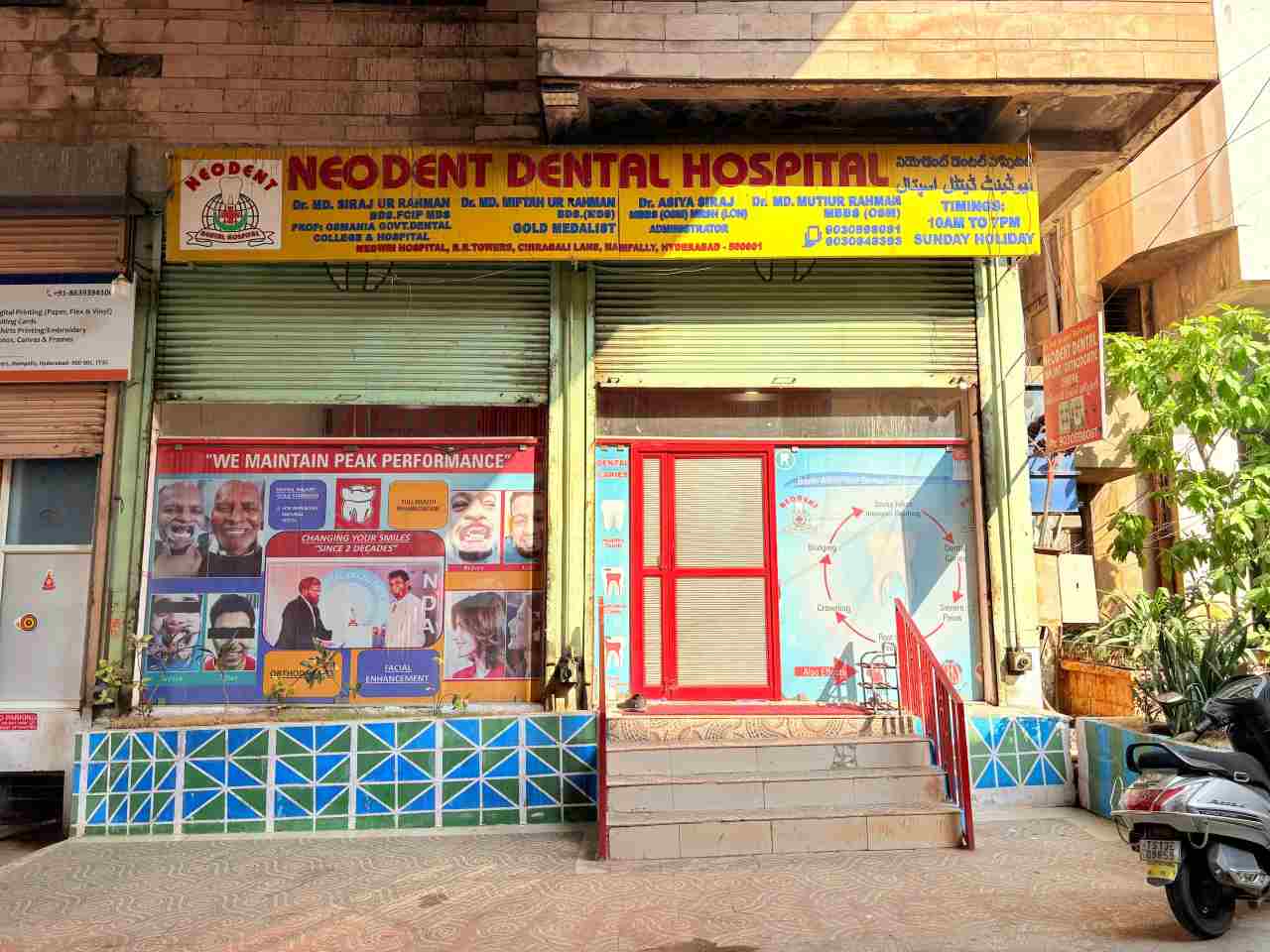
Street front of Neodent Dental Hospital, Nampally, with a yellow signboard above two shutters and a red-framed glass door

Neodent Dental Hospital

Nampally

Address
Medwin Hospital Complex, Pillar #A1270, Raghav Ratna Towers, Chirag Ali Lane, Mahesh Nagar Colony, Nampally, Hyderabad, Telangana 500001
Hours
10:30 AM – 5:00 PMSunday holiday
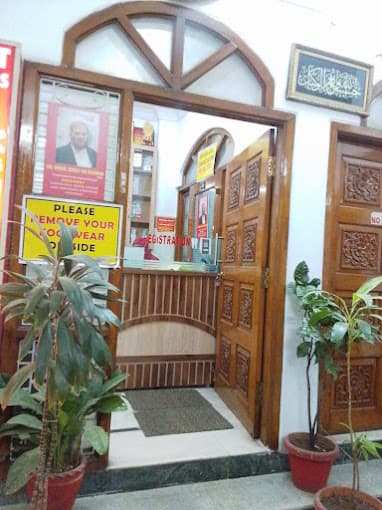
Entrance of Neodent Dental Hospital, Mehdipatnam, with a carved wooden door and potted plants

Neodent Dental Hospital

Mehdipatnam

Address
10-3-14B/11/1, near Masjid-e-Azizia, Humayun Nagar, Royal Colony, Mehdipatnam, Hyderabad, Telangana 500006
Hours
4:00 PM – 8:00 PMSunday holiday
Call Neodent
Call +91 9246348485