Root canal treatment, what to expect.

Root canal treatment removes the infected or inflamed centre of a tooth so the tooth can often be kept. Your dentist can tell you after an examination and X-rays whether it is the right option.

Consultations at both clinics:NampallyMehdipatnam

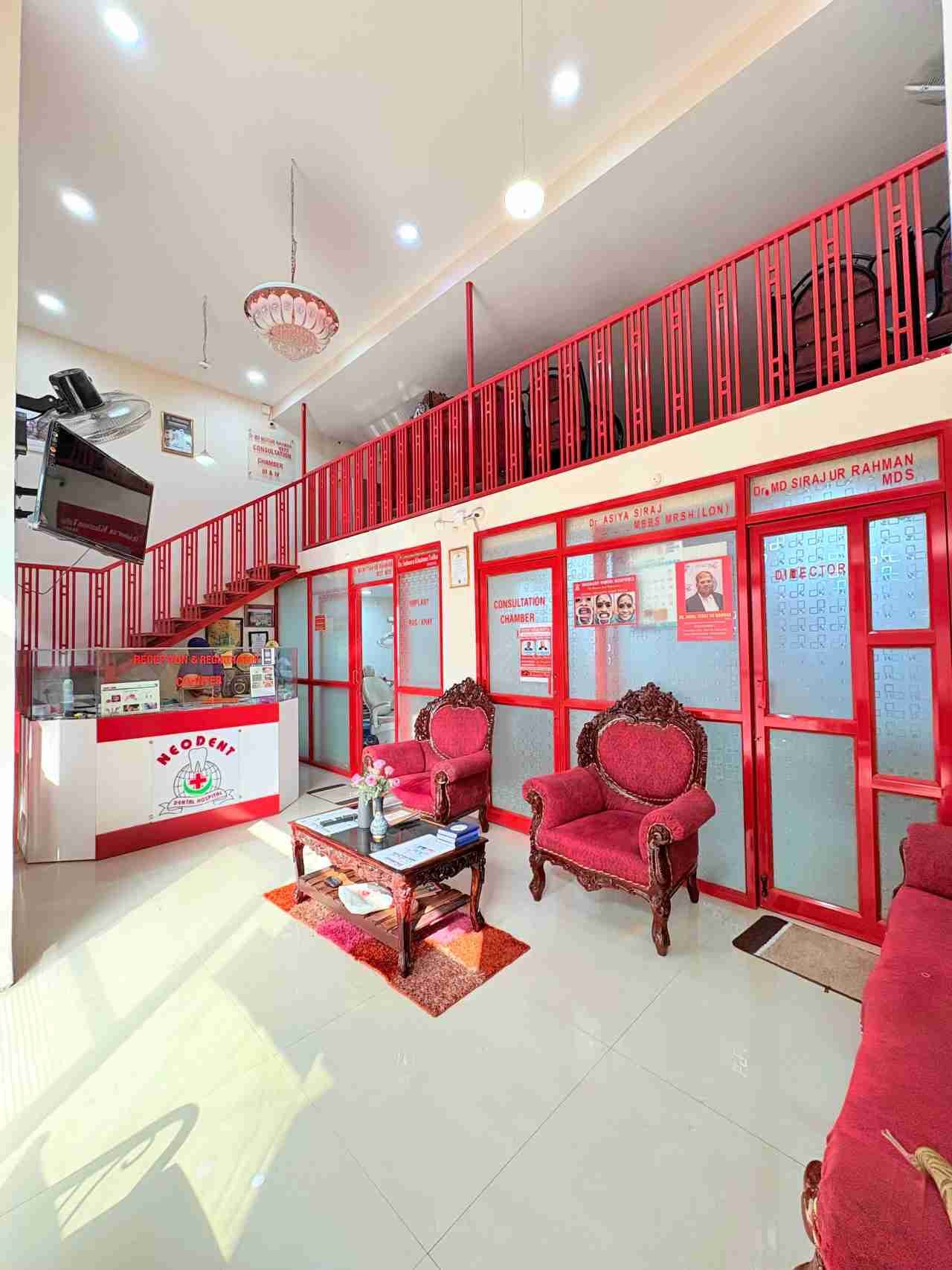
Reception counter, red armchairs and consultation chamber doors under a red balcony rail, Neodent Dental Hospital, Nampally
ReceptionNampally

What isroot canal treatment?

Root canal treatment addresses inflammation or infection in the soft tissue at the centre of a tooth. The dentist cleans and seals the canals, then restores the tooth; a filling, onlay or crown may be needed. An examination and X-rays help determine whether the tooth can be restored and whether root canal treatment is appropriate.

  • Inside the tooth

    Beneath the hard enamel and dentine is a soft core called the pulp. It contains nerves and blood vessels and runs from the crown of the tooth down through narrow channels in each root: the root canals.

  • How it becomes a problem

    The pulp can become inflamed or infected after decay, a leaking filling or trauma.

  • Why treat rather than remove

    The aim is to keep your own tooth, rather than remove it and then need to replace it. Whether that is possible depends on whether the tooth can be restored reliably.

Labelled cross-section of a lower molar tooth, showing enamel, dentine, pulp, root canals and a root tipA lower back tooth cut lengthwise, set in gum and jawbone. A white enamel cap covers the crown over cream dentine. A soft pink pulp chamber sits in the middle of the crown and a narrow canal runs down the centre of each of the two roots to its tip. Thin red leader lines label the enamel, dentine, pulp, root canals and root tip. Illustration, not to scale.EnamelPulpRoot canalsDentineRoot tip
Illustration, not to scale. Your own anatomy and plan will differ.

Terms you may hear

Pulp
The soft tissue at the centre of the tooth.
Root canals
The narrow channels inside each root that hold the pulp.
Crown
A cap that covers and protects the tooth for everyday biting.
Onlay
A restoration that covers part of the chewing surface of a tooth.
Endodontic treatment
Another name for root canal treatment.
Signs a toothshould be checked.

These are reasons to book an assessment, not a diagnosis.

These signs alone do not confirm that a root canal is needed. A dentist examines the tooth, takes X-rays and tests the response of the tooth before advising.

  • Toothache

    Ongoing or throbbing tooth pain.

  • Sensitivity to hot or cold

    Sensitivity that lingers after the hot or cold is gone.

  • Pain when biting

    Pain when you bite or chew.

  • Gum swelling

    Swelling of the gum near a tooth.

  • Facial swelling

    Swelling of the face or cheek.

  • A hole in the tooth

    A visible hole, or deep decay in a tooth.

Illustration, not to scale. Your own anatomy and plan will differ.

Sometimes there are no signs

Some infected teeth cause no symptoms at all and are found on an X-ray.

What an assessment checks

Examination, X-rays, and often tests of how the tooth responds. Whether the tooth can be restored afterwards is part of the decision. Which tests are used is confirmed at your consultation.

Root canal treatment andthe alternatives.

Your dentist explains the options after an examination and X-rays. No single option suits every tooth.

Treating a tooth that already has a canal filling againCross-section of three back teeth. The middle tooth already has grey canal filling in both roots and a filling in the top. A dashed red outline marks the canals and a red looping arrow circles them, to say the canals are treated again. Illustration, not to scale.

Re-treatment

Treating again a tooth that has had a root canal before. Your dentist can tell you whether this applies to your tooth.

The gap left after a tooth is removedCross-section of the gum and jawbone with a tooth on each side of a gap. The gum and bone dip across the gap, and a dashed outline shows the space where a replacement tooth could go. Illustration, not to scale.

Removing the tooth

With or without replacing it using an implant, bridge or partial denture. When a tooth cannot be restored reliably, removal and replacement may be discussed.

Illustration, not to scale. Your own anatomy and plan will differ.

What if you do not treat it?

Leaving an infection untreated can cause an abscess and bone loss. The infection can spread, and the tooth may eventually need to be taken out. If you have any of the signs above, the next step is an examination.

What happensat a visit.

General information on a typical visit. Your own visit may differ.

  1. A numbed tooth with a dental dam around itCross-section of a back tooth in the gum and jawbone. Soft red arcs round the tooth show the area is numb. A thin grey rubber sheet lies flat across the gum and is stretched round the neck of the tooth, with a clean hole round the crown. Illustration, not to scale.

    The tooth is numbed

    A local anaesthetic numbs the tooth. A thin rubber sheet, called a dental dam, may be placed around it to keep it dry and clean.

  2. Making a small opening to reach the pulp chamberCross-section of a back tooth. A small opening runs from the biting surface down into the pulp chamber, which is visible with its soft pink pulp. A dashed red arrow points into the opening. Illustration, not to scale.

    The pulp is reached

    A small opening is made through the biting surface to reach the pulp chamber. The infected or inflamed pulp is removed.

  3. Cleaning and shaping the canalsCross-section of a back tooth with the opening made. The chamber and both canals are empty, clean and widened along their length. A red arrow runs down one canal, and a round magnifier shows the smooth, clean wall of a canal. Illustration, not to scale.

    The canals are cleaned

    Each canal is cleaned, shaped and disinfected along its length, down towards the tip of the root.

  4. A temporary filling in the toothCross-section of a back tooth with clean canals. A small grey tint at the entrance of each canal marks a medicated dressing, and a cream-grey temporary filling sits in the opening in the biting surface. Illustration, not to scale.

    A temporary filling

    A temporary filling is placed, sometimes with a medicated dressing if more than one visit is needed.

  5. Canals filled and the opening closedCross-section of a back tooth. Both canals are filled with a grey material right down to the root tips, and a filling closes the opening in the biting surface. Illustration, not to scale.

    The canals are filled

    The cleaned canals are filled with a sealing material, so bacteria have less opportunity to re-enter. The tooth is then restored.

Illustration, not to scale. Your own anatomy and plan will differ.

How many visits will it take?

Sources describe one to three visits, depending on the tooth and how difficult it is to treat. How many visits your tooth needs is confirmed at your consultation.

A plan built aroundyour tooth.

The steps, the tools used and the number of visits depend on the tooth. Your dentist explains them at your consultation.

Why the tooth usually needsa filling or crown.

Cleaning and sealing the canals treats the inside of the tooth. The tooth itself then needs protecting.

A temporary filling that should not be chewed onClose view of the top of a back tooth and its upper roots. A cream-grey temporary filling sits in the biting surface. A red arrow points down onto it with a slash through it, to say avoid chewing on this tooth. Illustration, not to scale.

Before the final restoration

The tooth may have a temporary filling. Avoid chewing on the tooth until its final restoration is in place.

A porcelain crown protecting a root-treated toothClose view of the top of a back tooth and its upper roots. A porcelain crown covers the treated tooth, with grey canal filling inside. A thin dashed red outline hugs the crown to show it is protected. Illustration, not to scale.

The final restoration

A final restoration is usually needed to protect the tooth and lower the risk of fracture. A well-sealed tooth that is not properly protected can still fracture.

Illustration, not to scale. Your own anatomy and plan will differ.

What the tooth needs, when, and who provides the crown are confirmed at your consultation.

After the treatment,risks and when to call.

After treatment

  • The tooth may be sensitive for a few days.

  • Over-the-counter pain relief may help.

  • Avoid chewing on the tooth until it is restored.

  • Your dentist usually reviews the tooth about a year later.

General information only: follow your own dentist's instructions.

Illustration, not to scale. Your own anatomy and plan will differ.

Risks

These are uncommon, and your dentist will talk them through:

  • pain or swelling afterwards
  • a perforation (a hole through the wall of the tooth)
  • a broken instrument left in the canal
  • a fracture of the tooth or root
  • canals that cannot be fully cleaned
  • a result that is not successful

Results depend on the tooth, how quickly it is restored, and ongoing cleaning and check-ups. Outcomes vary from person to person.

Call the clinic where you were treated if you notice:

  • pain or pressure that lasts beyond a few days
  • swelling
  • fever
  • a loose temporary filling

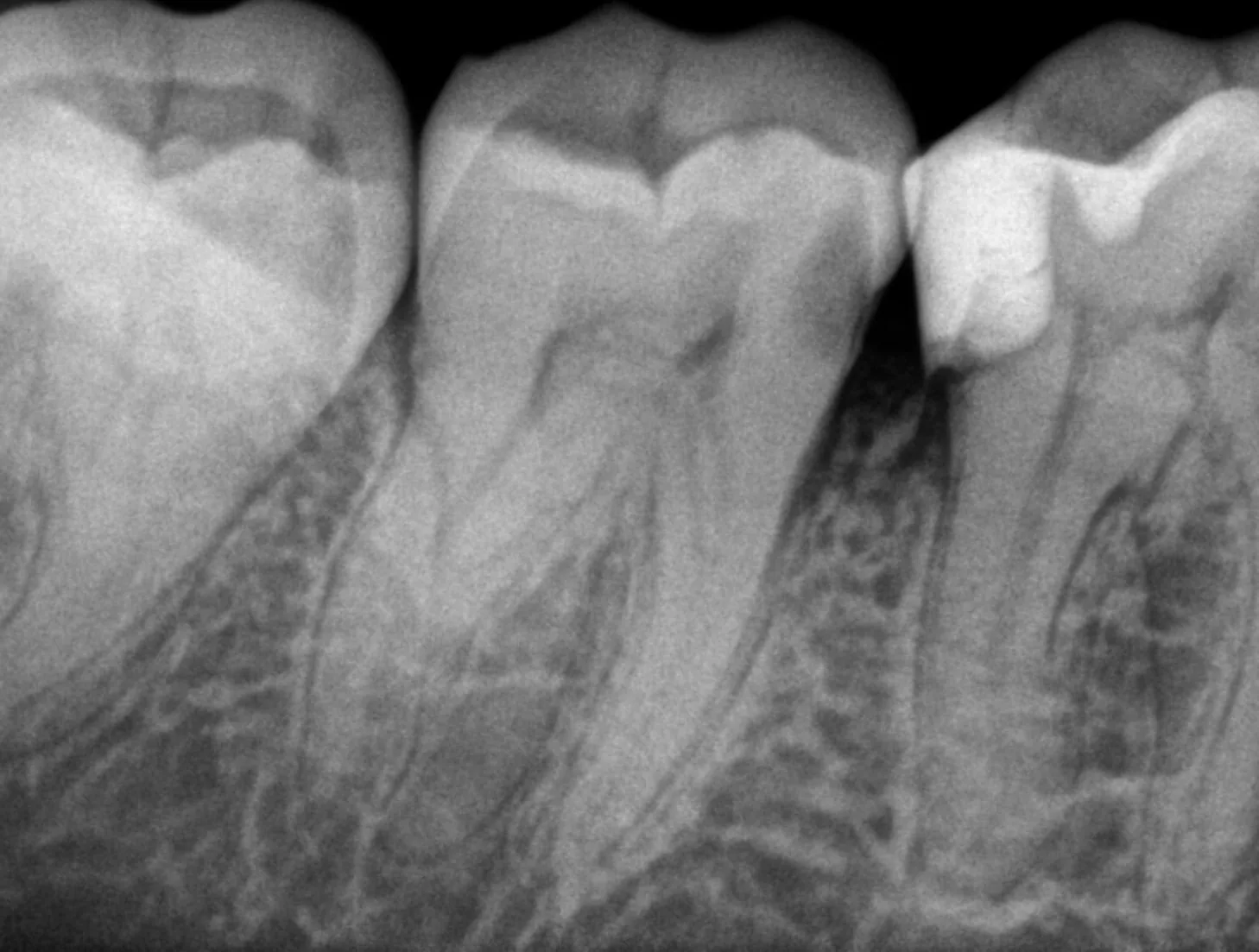
Root canal casesfrom Neodent.

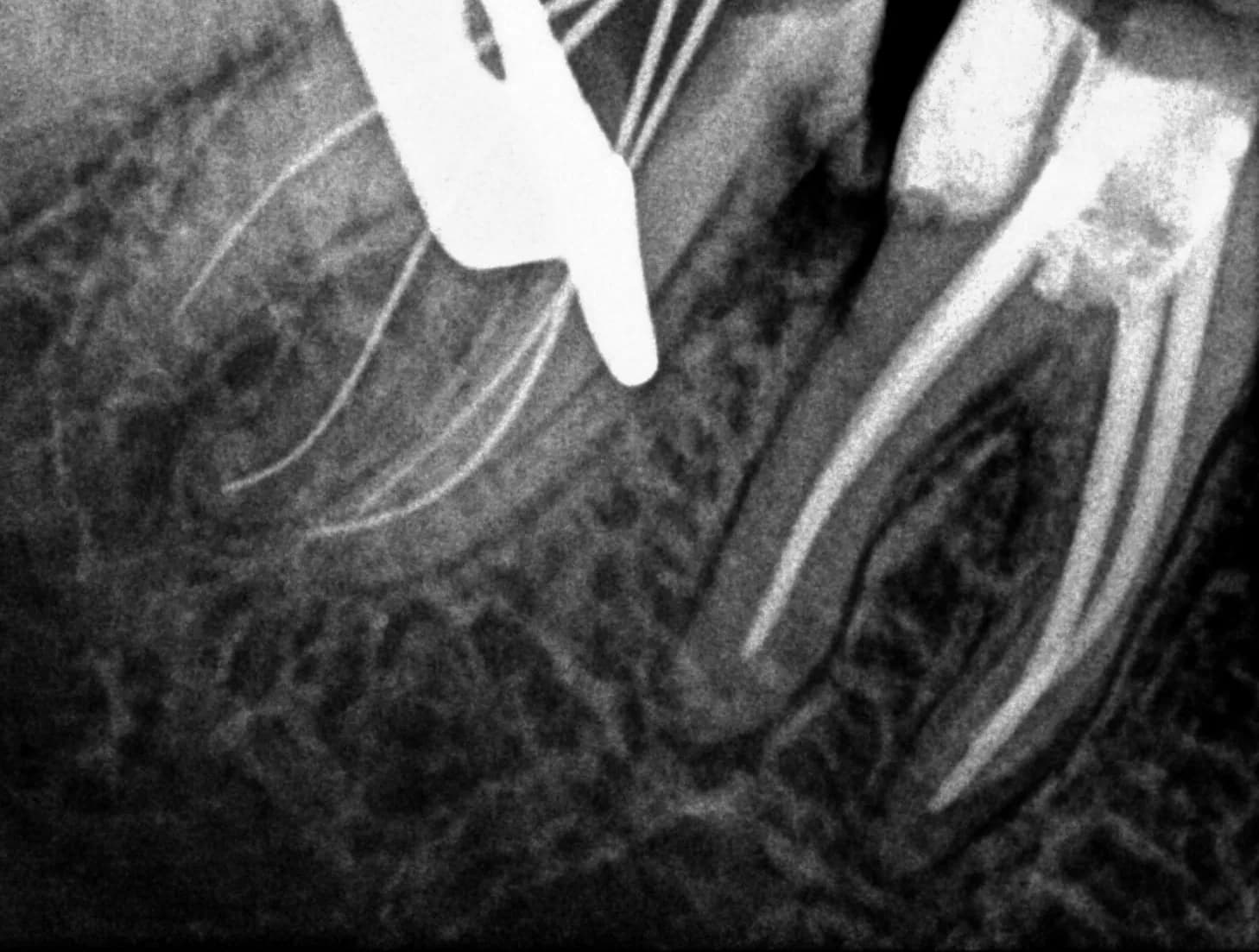
Root canal treatment radiograph — pre-treatment stage
Pre-treatment
Root canal treatment radiograph — mid-treatment stage
Mid-treatment
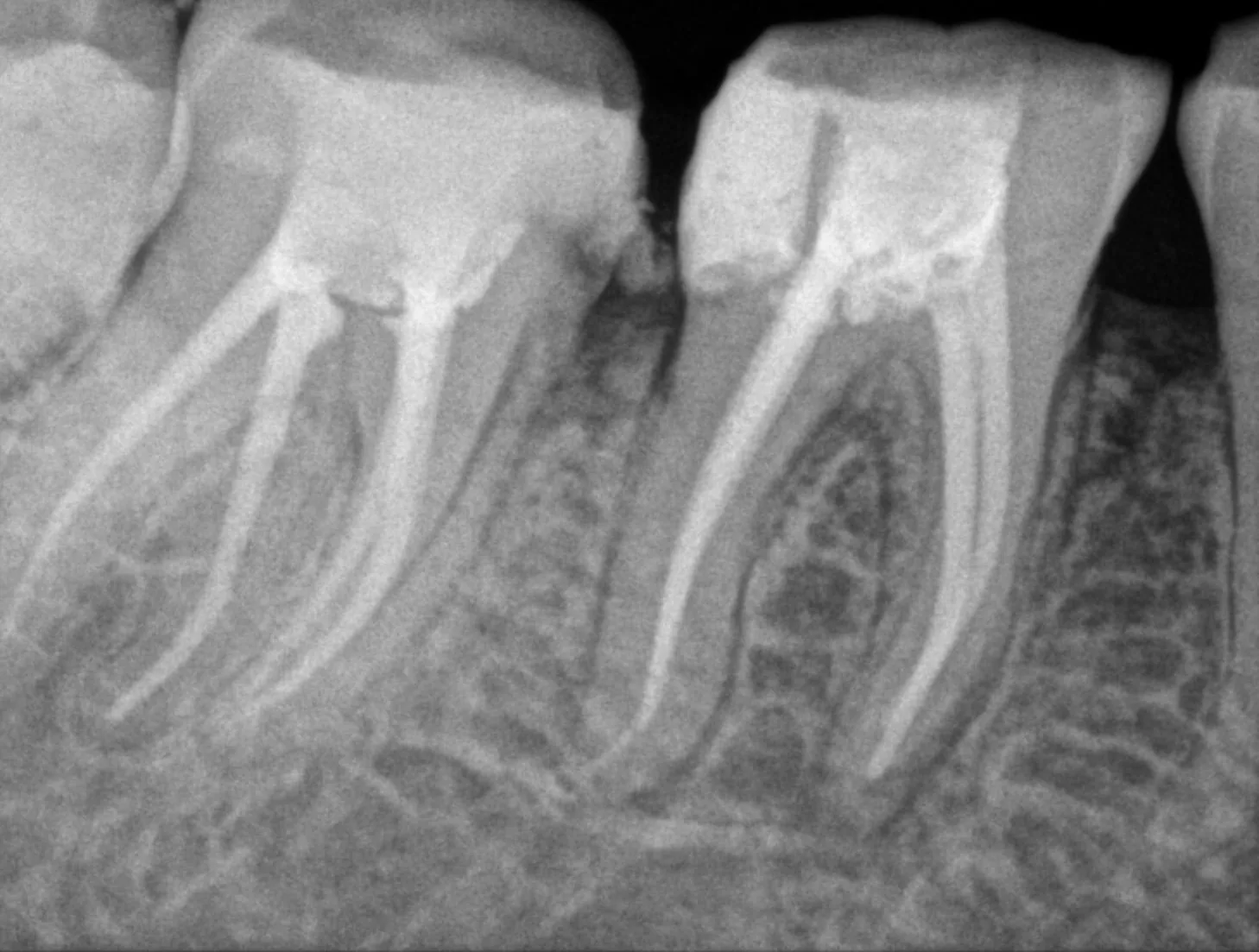
Root canal treatment radiograph — post-treatment stage
Post-treatment
Radiographs from one root canal treatment, at the pre-treatment, mid-treatment and post-treatment stages.
NeodentRoot canal treatment film

Questions toask your dentist.

  • Does this tooth need a root canal or is there another option?

  • How many visits do you expect, and what will it involve?

  • What will the tooth need afterwards, and when?

  • What are the chances it will need further treatment?

  • Who should I call if pain returns?

Root canal treatment:your questions.

What is root canal treatment?

Root canal treatment is a procedure aimed at addressing problems within the inner portion of an affected tooth. The goal is to preserve the natural tooth where clinically appropriate, rather than extracting it.

Does a root canal hurt?

The tooth is numbed with a local anaesthetic before treatment begins. How it feels varies from person to person, and the tooth may be sensitive for a few days afterwards. If you feel discomfort at any point, tell your dentist.

How do I know if I need a root canal?

Signs such as toothache, gum swelling, sensitivity to hot or cold, a hole in the tooth or facial swelling are reasons to have the tooth checked. They do not confirm that a root canal is needed. A dentist examines the tooth, takes X-rays and tests how it responds before advising.

How many visits does it take?

Sources describe one to three visits, depending on the tooth and how difficult it is to treat. There is no standard number that applies to every tooth. How many visits you need is confirmed at your consultation.

What happens if I do not treat the tooth?

Leaving an infection untreated can cause an abscess and bone loss. The infection can spread, and the tooth may eventually need to be taken out. A dentist can tell you what applies to your tooth.

Why does the tooth usually need a filling or crown afterwards?

A final restoration is usually needed to protect the tooth and lower the risk of fracture. Until then, avoid chewing on the tooth. What your tooth needs, and when, is confirmed at your consultation.

Are there alternatives to a root canal?

Your dentist may discuss re-treatment of a tooth that has had a root canal before, or removing the tooth, with or without replacing it using an implant, bridge or partial denture. The right option depends on whether the tooth can be restored reliably.

How long will the tooth last afterwards?

Results depend on the tooth, how quickly it is restored, and ongoing cleaning and check-ups. Outcomes vary from person to person, and there is no standard figure that applies to every tooth.

How much does root canal treatment cost?

The cost depends on which tooth is being treated, whether anything needs treating first, and the type of restoration. Your dentist can give you an estimate for your own plan after an examination.

Where can I have root canal treatment?

Neodent Dental Hospital offers root canal treatment consultations at its Nampally and Mehdipatnam clinics in Hyderabad. Call the clinic you would like to visit.

Where tofind us.

Root canal treatment consultations are available at both Neodent clinics in Hyderabad. Call the clinic you would like to visit.

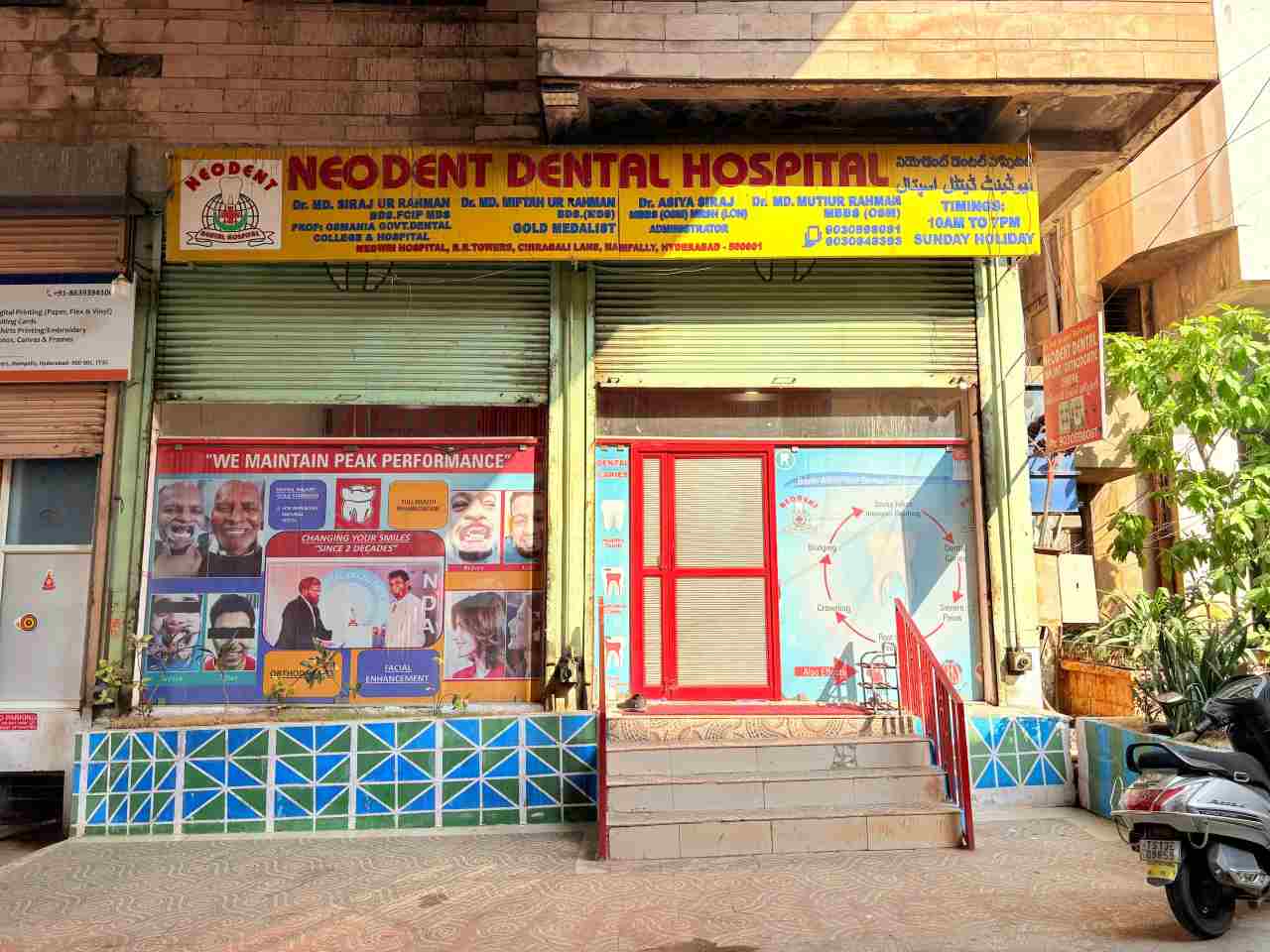
Street front of Neodent Dental Hospital, Nampally, with a yellow signboard above two shutters and a red-framed glass door

Neodent Dental Hospital

Nampally

Address
Medwin Hospital Complex, Pillar #A1270, Raghav Ratna Towers, Chirag Ali Lane, Mahesh Nagar Colony, Nampally, Hyderabad, Telangana 500001
Hours
10:30 AM – 5:00 PMSunday holiday
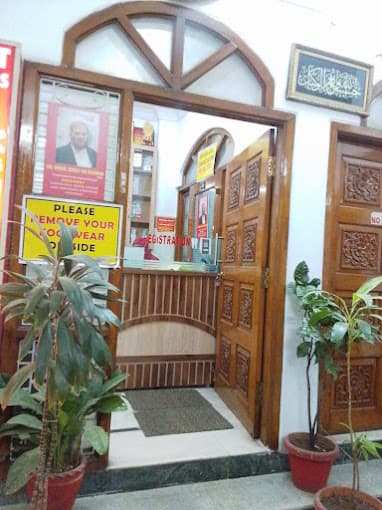
Entrance of Neodent Dental Hospital, Mehdipatnam, with a carved wooden door and potted plants

Neodent Dental Hospital

Mehdipatnam

Address
10-3-14B/11/1, near Masjid-e-Azizia, Humayun Nagar, Royal Colony, Mehdipatnam, Hyderabad, Telangana 500006
Hours
4:00 PM – 8:00 PMSunday holiday
Call Neodent
Call +91 9246348485