
Terms you may hear
- Bruxism
- grinding or clenching of the teeth
- Tooth wear
- loss of tooth surface from grinding, chewing or acid
- Bite height
- how far apart the upper and lower teeth sit when closed
- Occlusion
- the way the upper and lower teeth meet
Full mouth rehabilitation is a planned, step-by-step approach to restoring the health, function and appearance of the teeth when many teeth are affected. What it includes depends on a detailed assessment by your dentist.
Consultations at both clinics:NampallyMehdipatnam
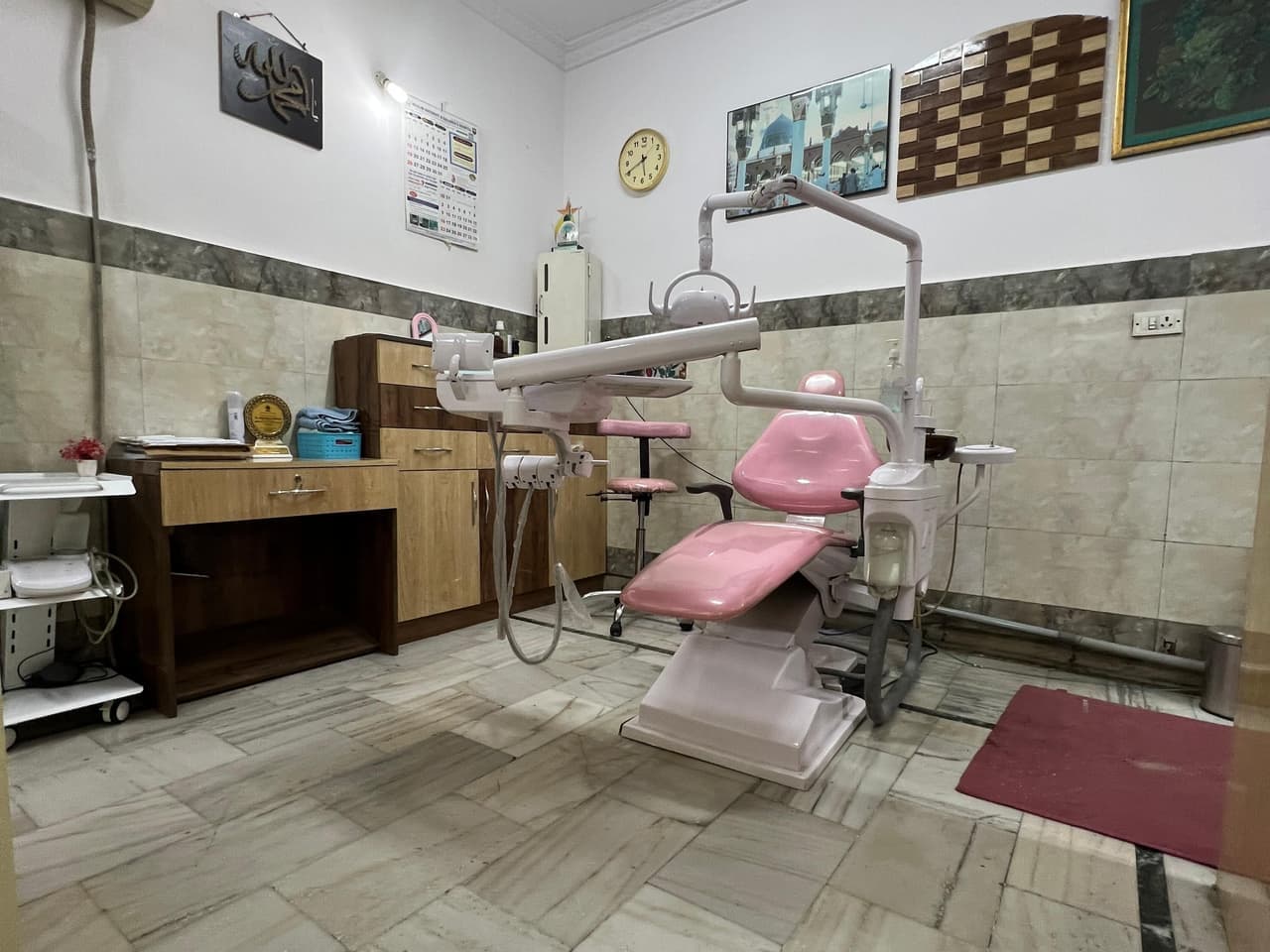
Full mouth rehabilitation is a coordinated plan to restore the health, function and appearance of the whole mouth when many teeth are affected. It is not one procedure. It brings several kinds of dental care together and puts them in a sensible order.
The same idea is also called full mouth reconstruction. Depending on the assessment, it may combine restorative, implant, gum or bite-related care. The dentist explains what the plan includes, the order of treatment and how follow-up will work; there is no single plan that suits everyone.
Separate treatments are joined into one coordinated plan.
Teeth, gums and the way your teeth meet are considered together.
What it includes depends on an examination. Worn or sensitive teeth alone do not mean you need it.
Your dentist may raise it when problems affect many teeth rather than one. These are reasons to book an assessment, not a diagnosis.
Several teeth are missing, or cannot be saved.
Heavy wear, cracked or broken teeth, decay, or large fillings that are failing.
Significant bite problems, or heavy wear from grinding. Severe wear can reduce the remaining tooth structure and change how the bite meets.
Severe gum disease. Gum health is usually dealt with early in a plan.
Worn or sensitive teeth do not, on their own, mean this treatment is needed. Only an examination can say.
A plan is built from the care your mouth needs, so it differs from person to person. These are kinds of treatment a plan may draw on.
Rebuilding or replacing damaged and missing teeth.
Examples: onlays, crowns, bridges, veneers, implants, dentures
Gum health is usually looked at early.
Examples: scaling and root planing, gum grafting
Where the position of teeth contributes to the problem.
Examples: braces
Protecting how your teeth meet.
Examples: adjusting the bite, a splint where grinding is involved
Shape and colour.
Examples: whitening, bonding, reshaping
Which of these are part of your plan, and which clinicians carry out each part, is confirmed at your consultation.
A plan starts with understanding what is happening in your mouth, and why.
Which records your dentist takes is confirmed at your consultation.
Your medical and dental history.
A check of your teeth, gums and bite, with X-rays.
Models of your teeth to plan the work.
These are the usual stages. Your own plan may differ.
Your history, examination and records are reviewed to understand what is causing the problems.
The plan sets out the order of treatment. Urgent problems and gum health are usually dealt with first.
Care is carried out over several visits, one phase at a time. The number of visits depends on your plan.
Your bite and restorations are reviewed and regular check-ups continue. Long-term results depend on recalls, and on protecting your teeth from grinding where that applies.
There is no standard timeline. How long a plan takes depends on which treatments it includes, how you heal and how the phases are arranged. Your dentist will give you a plan for your own case at your consultation.
A plan built around your mouth,not a template.
There is more than one way to approach several problems. The right choice depends on your mouth, your health and what you want from the result.
What it involves
Each problem is treated on its own, for example with a filling, a crown or an implant.
Worth knowing
Can suit a few separate problems. Your dentist can say whether the cause, such as grinding or gum disease, also needs attention.
What it involves
Problems are assessed together and treated in a planned order over several visits.
Worth knowing
Involves time, cost and commitment. Ask whether you can pause between stages.
What it involves
Your dentist watches the problem and reviews it at check-ups.
Worth knowing
Some problems change over time. Severe wear, for example, can reduce the remaining tooth structure.
Aftercare depends on which treatments are included. Follow your own dentist's written instructions.
Clean every day. Brush with fluoride toothpaste and clean between your teeth.
Keep your check-ups. How long restorations last depends on regular recalls.
Look after your gums. Gum disease and decay can be reduced with daily cleaning.
If you grind your teeth, ask about protection such as a splint. It may need to continue after treatment.
Photographs from treatment at Neodent, shown so you can see what treatment can involve. Every case is different, and these images are not a prediction for your own mouth.
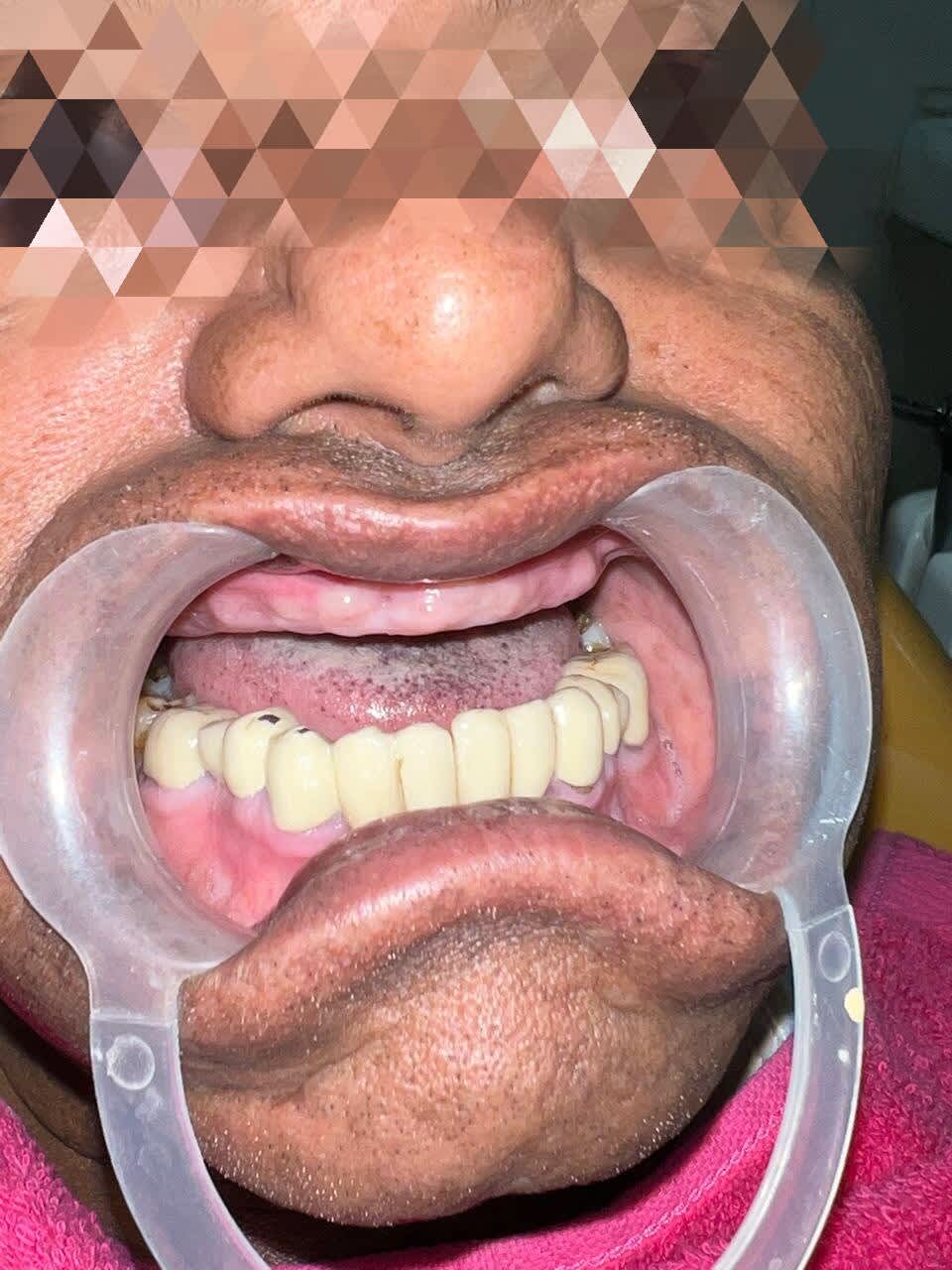

Supplied before and after clinical photographs from full mouth rehabilitation at Neodent. Photographs are shown for patient understanding; treatment and its outcome vary from patient to patient.
Images are published in line with our privacy policy.
What is causing the problems, and will treating only the symptoms hold up?
What does the full plan include, in what order, and with which clinicians?
Can I do it in stages and stop between them?
How will my bite be checked and protected afterwards?
What will it involve in time and follow-up?
What happens if one part of the plan fails?
Full mouth rehabilitation is a comprehensive approach to restoring oral health and function when multiple teeth are affected. It may involve a combination of treatments such as dental implants, crowns, bridges and other restorative procedures, planned together to address the overall condition.
When many teeth are affected, for example by several missing teeth, cracked or broken teeth, decay or failing large fillings, heavy wear from grinding, significant bite problems or severe gum disease. These are reasons to book an assessment, not a diagnosis.
Your dentist reviews your medical and dental history and examines your mouth. Records such as X-rays and scans or impressions may be taken. The plan sets out the order of treatment, usually dealing with urgent problems and gum health first.
There is no standard timeline. It depends on which treatments are included, how you heal and how the phases are arranged. Your dentist will give you a plan for your own case at your consultation.
Not necessarily. Implants are one way to replace missing teeth. A plan may use other restorations such as crowns, bridges or dentures, and may include other care. Your dentist explains the choices after an examination.
Plans are usually carried out in phases over several visits. Whether there are points where you can pause depends on your plan, so it is worth asking at your consultation.
Heavy grinding can wear teeth and is linked to a higher chance of restorations failing, most often by fracturing. If grinding is part of the picture, your dentist may discuss protection such as a splint, which may need to continue after treatment. Whether implants suit someone who grinds is decided case by case.
The cost depends on which treatments your plan includes, how many teeth are involved and whether anything needs treating first. Your dentist can give you an estimate for your own plan after an examination. Large plans involve time, cost and commitment.
Aftercare depends on which treatments are included, so follow your own dentist's written instructions. In general, clean your teeth and between them every day, keep your check-ups and protect your teeth from grinding if advised.
Neodent Dental Hospital offers full mouth rehabilitation consultations at its Nampally and Mehdipatnam clinics in Hyderabad. Call the clinic you would like to visit.
Full mouth rehabilitation consultations are available at both Neodent clinics in Hyderabad. Call the clinic you would like to visit.
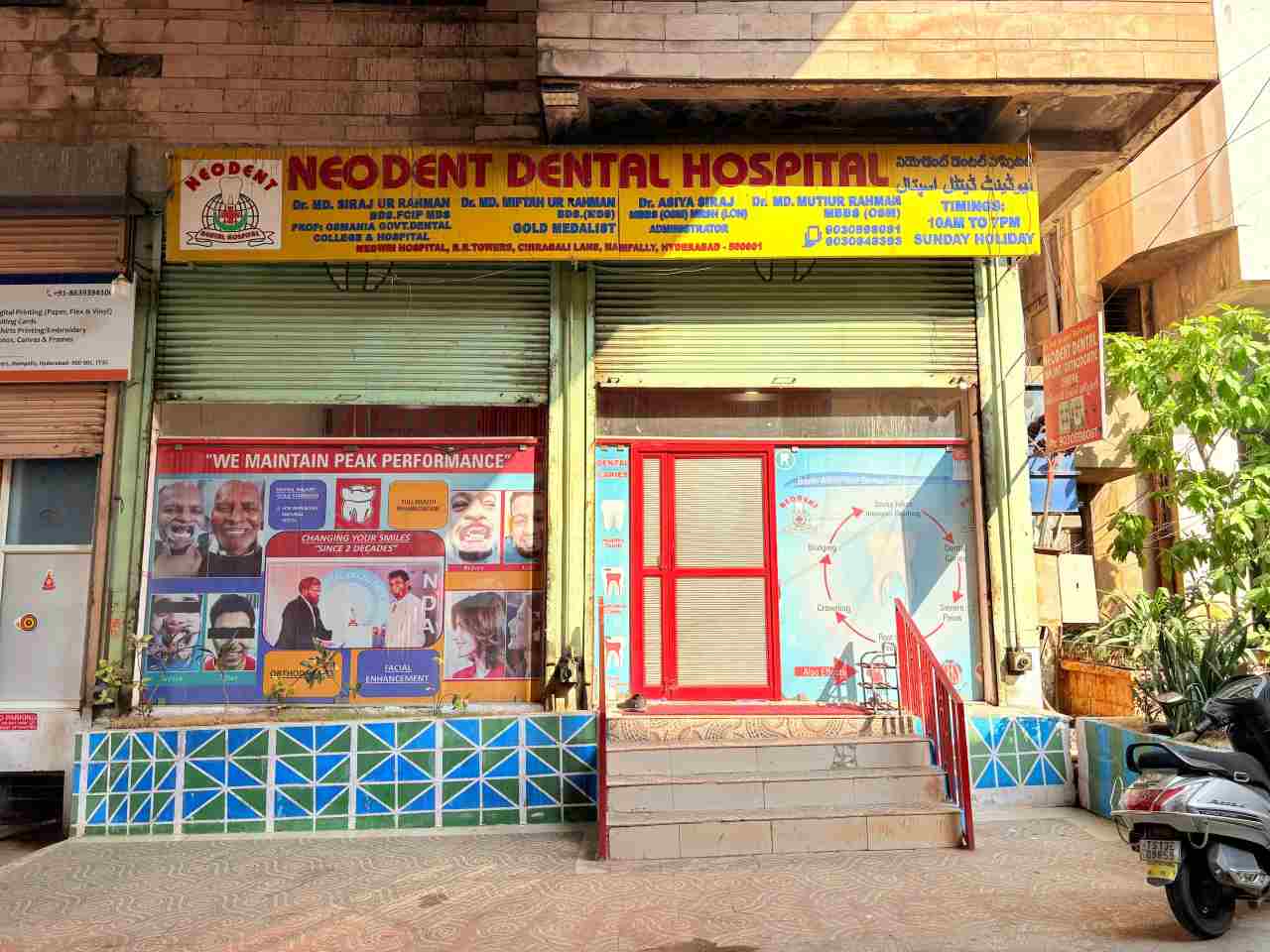
Neodent Dental Hospital
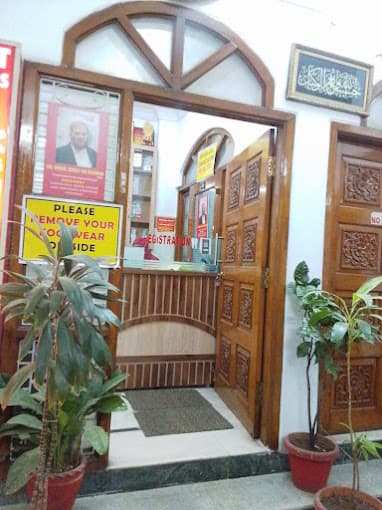
Neodent Dental Hospital